This site contains Amazon and ShopMy affiliate links, which means I may receive a commission, at no extra cost to you, if you make a purchase through a link.
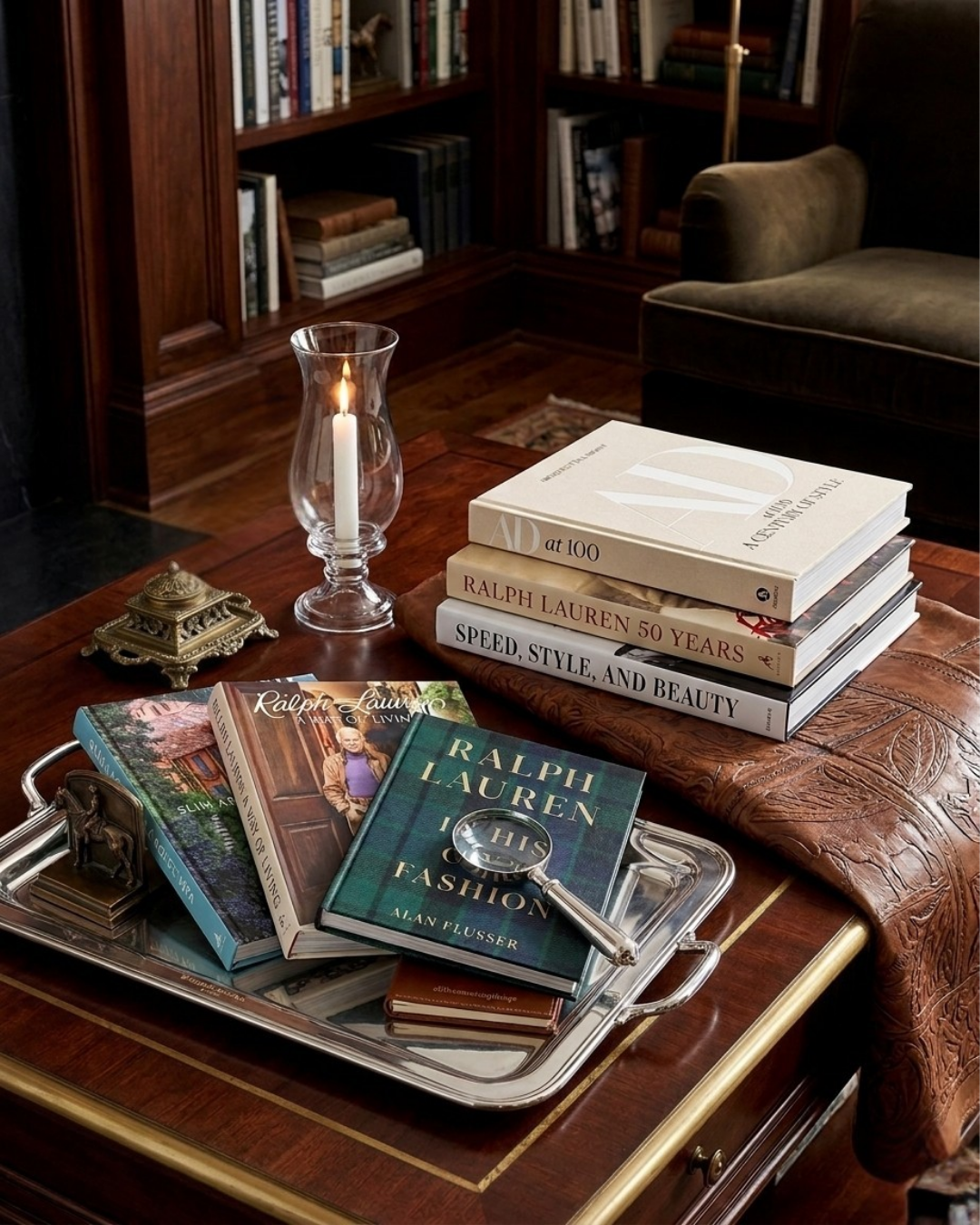
These coffee table books are loved for their strong, visually rich photography, the kind you can revisit endlessly. They each capture a distinct world or point of view, from Slim Aarons’ effortless glamour to Ralph Lauren’s take on American style, and preserve it in a way that continues to inspire.
They’re more than just something to display—they sit somewhere between art, history, and personal expression, offering both visual beauty and a deeper sense of the people, places, and cultural moments behind the images.
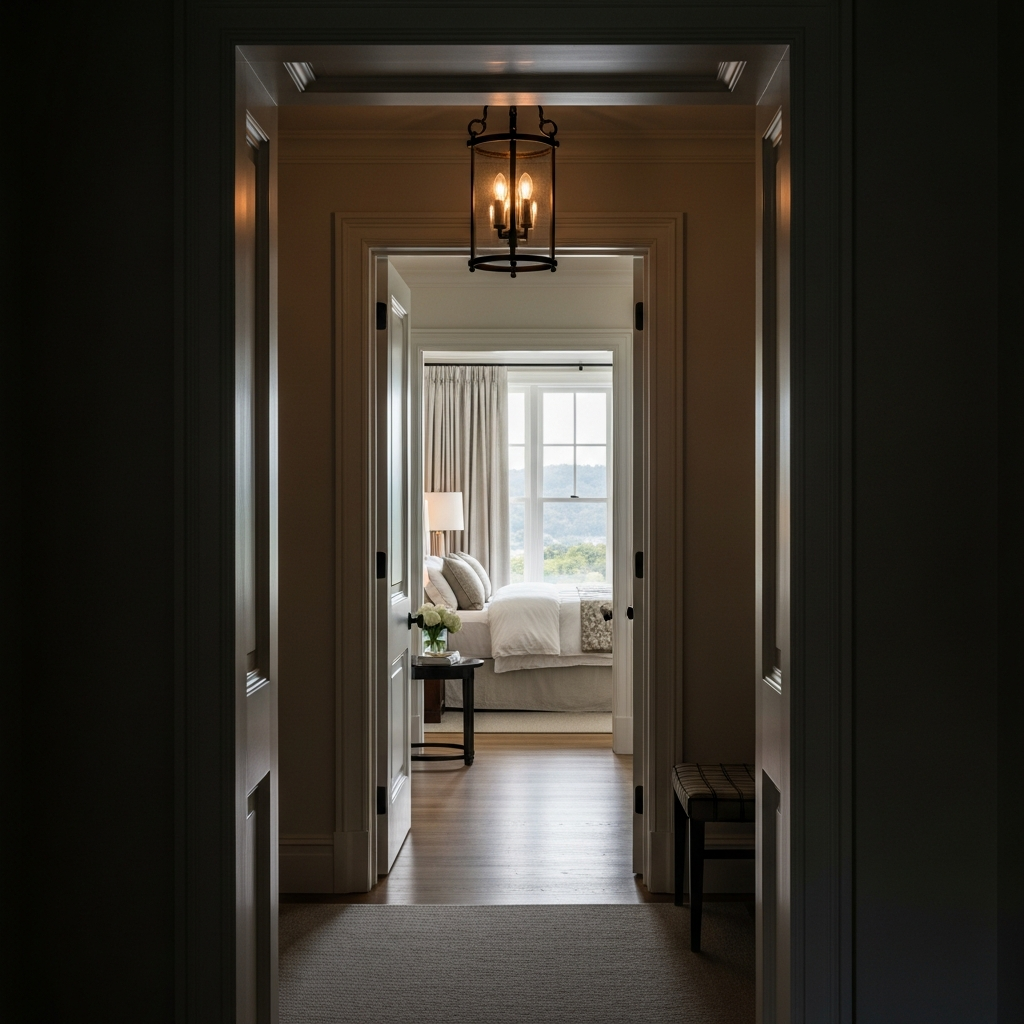
Calm coastal interiors inspired by Belvedere Island Homes.
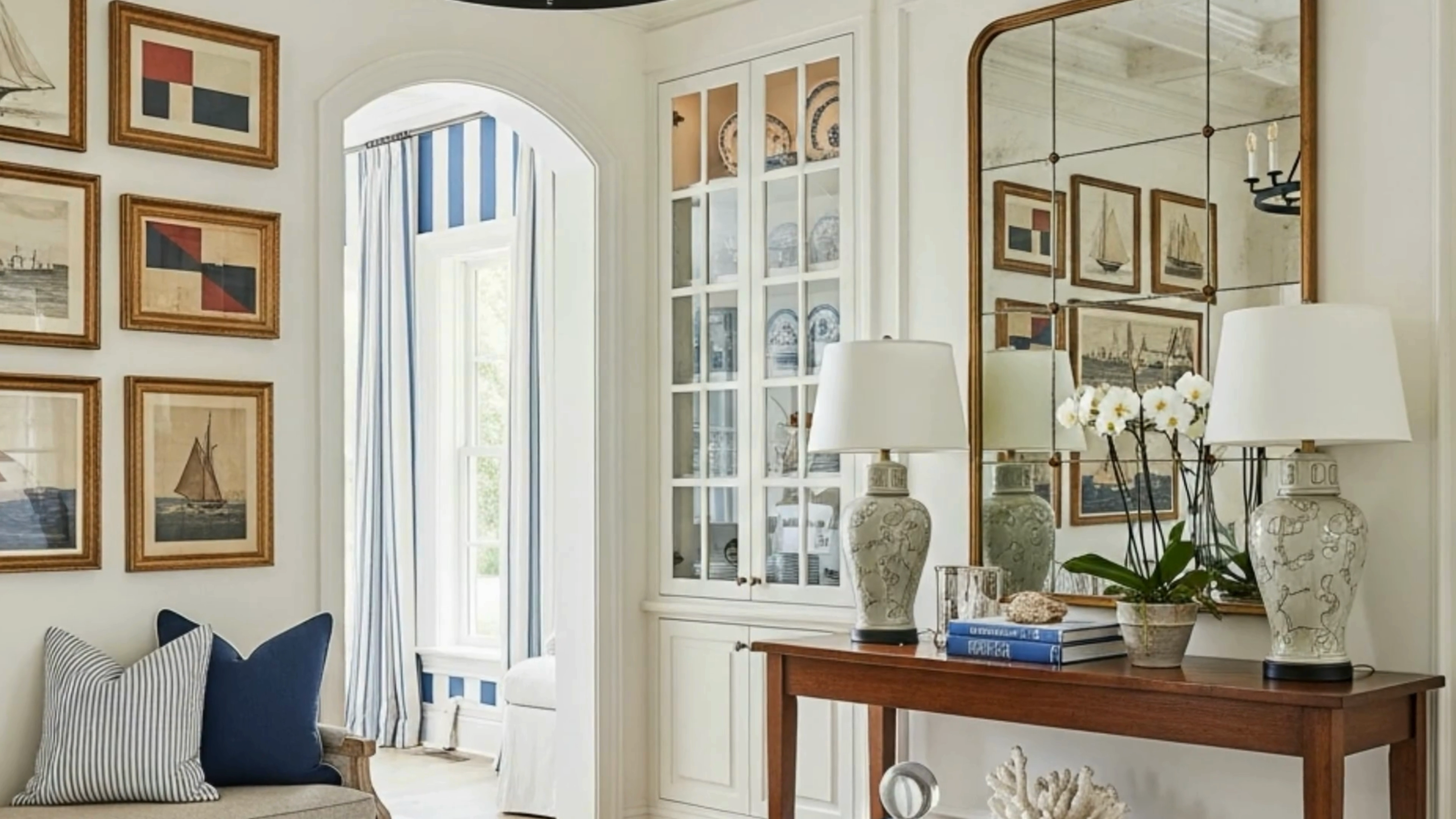
This design exploration focuses on light-filled rooms shaped by natural materials, soft neutrals, and relaxed elegance. Linen upholstery, warm wood tones, ceramics, and woven textures come together to create spaces that feel layered, comfortable, and timeless.
Inspired by the coastal homes of the San Francisco Bay Area, this style leans into natural materials and comfortable classics with a touch of luxury. The goal is simple: create interiors that feel calm, warm, and enduring.
The pieces in this collection were selected to recreate the look and feel of the interiors shown in the video using similar materials, textures, and tones.
As an Amazon Associate I earn from qualifying purchases.
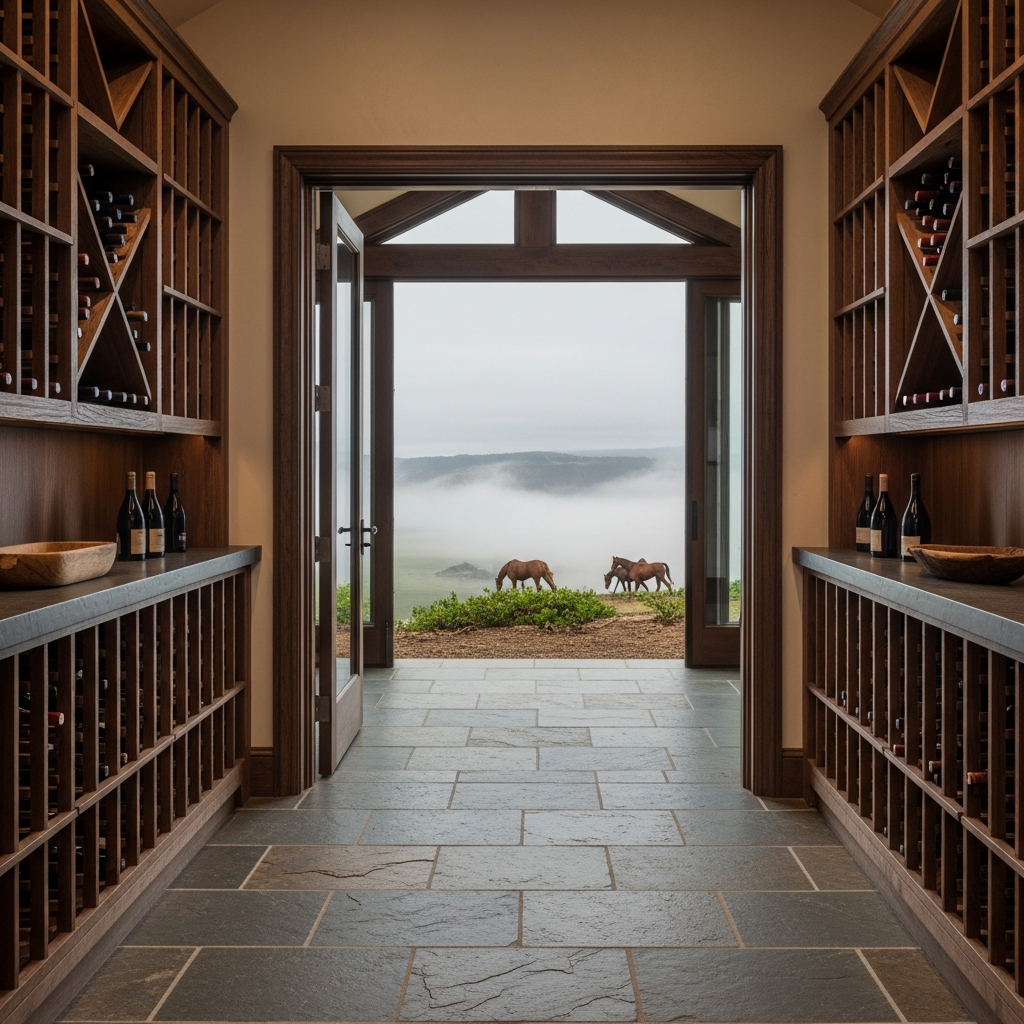
This interior decor lookbook explores a dreamy Half Moon Bay Coastal Ranch aesthetic. A sprawling ranch along the coast with weathered wood and fog rolling in.
Throughout the video, QR overlays link to Amazon search results for each featured item category, making it easy to browse available options inspired by the look.
If you’ve ever renovated and wished you could instantly compare pieces that match the mood of a space, you will find this useful.
These moments from the lookbook capture the tone of the Half Moon Bay Coastal Ranch aesthetic. Comfortable, grounded and a blend of luxury mixed with utilitarian, polish with patina.
Living Room Weathered wood beams, linen upholstery, natural rugs, and coastal elements. The palette stays muted — fog, sand, driftwood.
Dining Space Natural wood, aged materials, and restrained styling that draws from California Mission architecture, blended with Shaker simplicity and subtle Mid-Century influence.
Each space reflects the enduring elements — warm woods, open horizons, utility, simplicity, and gets out of the way of the natural beauty of the California coast.
Calm, light-filled interiors shaped by natural materials and quiet luxury.
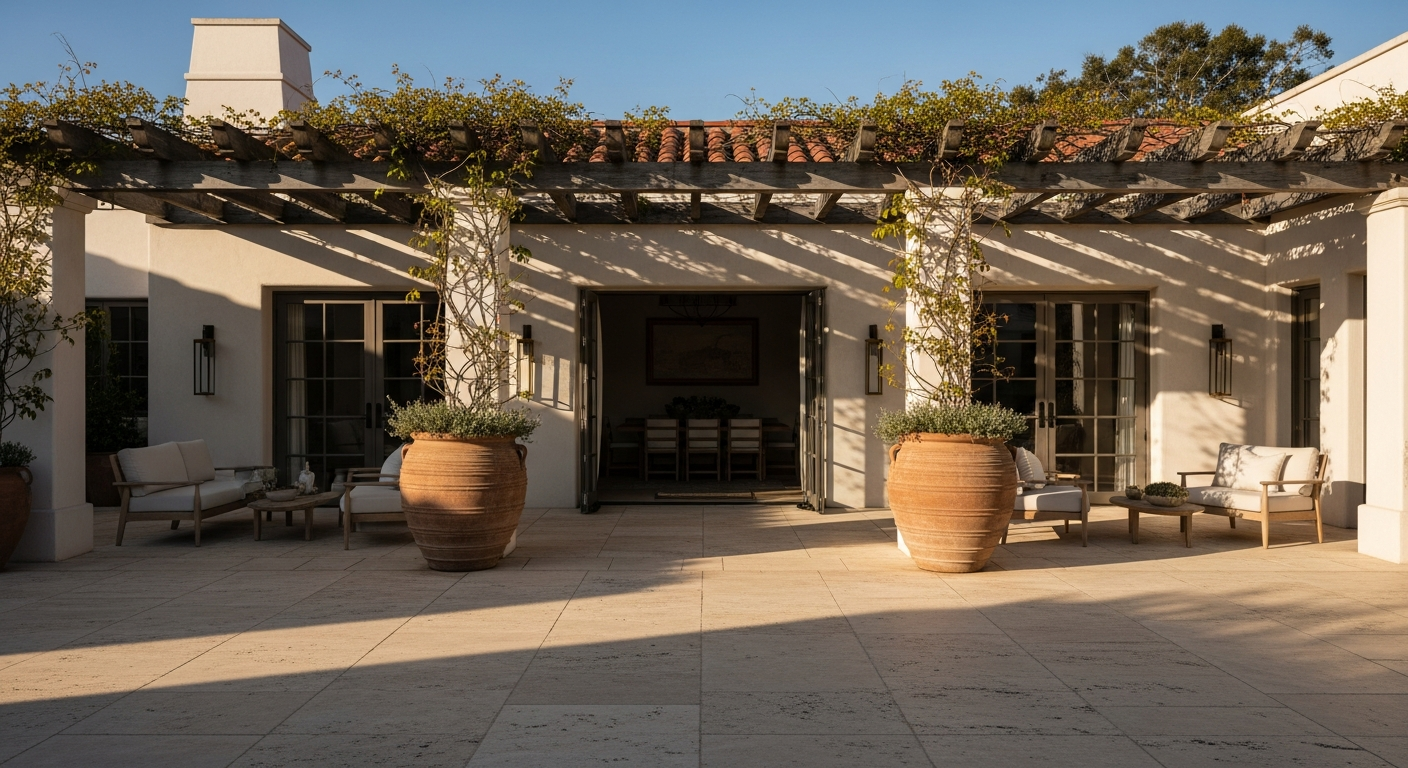
This California Casual interior edit focuses on calm, enduring spaces shaped by light, texture, and natural materials. Warm white plaster walls, light oak woods, Belgian linen textiles, and an easy indoor–outdoor flow define the look.
This style favors timeless materials like unpolished brass, tumbled limestone, and woven seagrass. The result is relaxed, bright, and effortless.
This is a visual styling edit, paired with a curated Amazon list so you can recreate the look with real pieces.
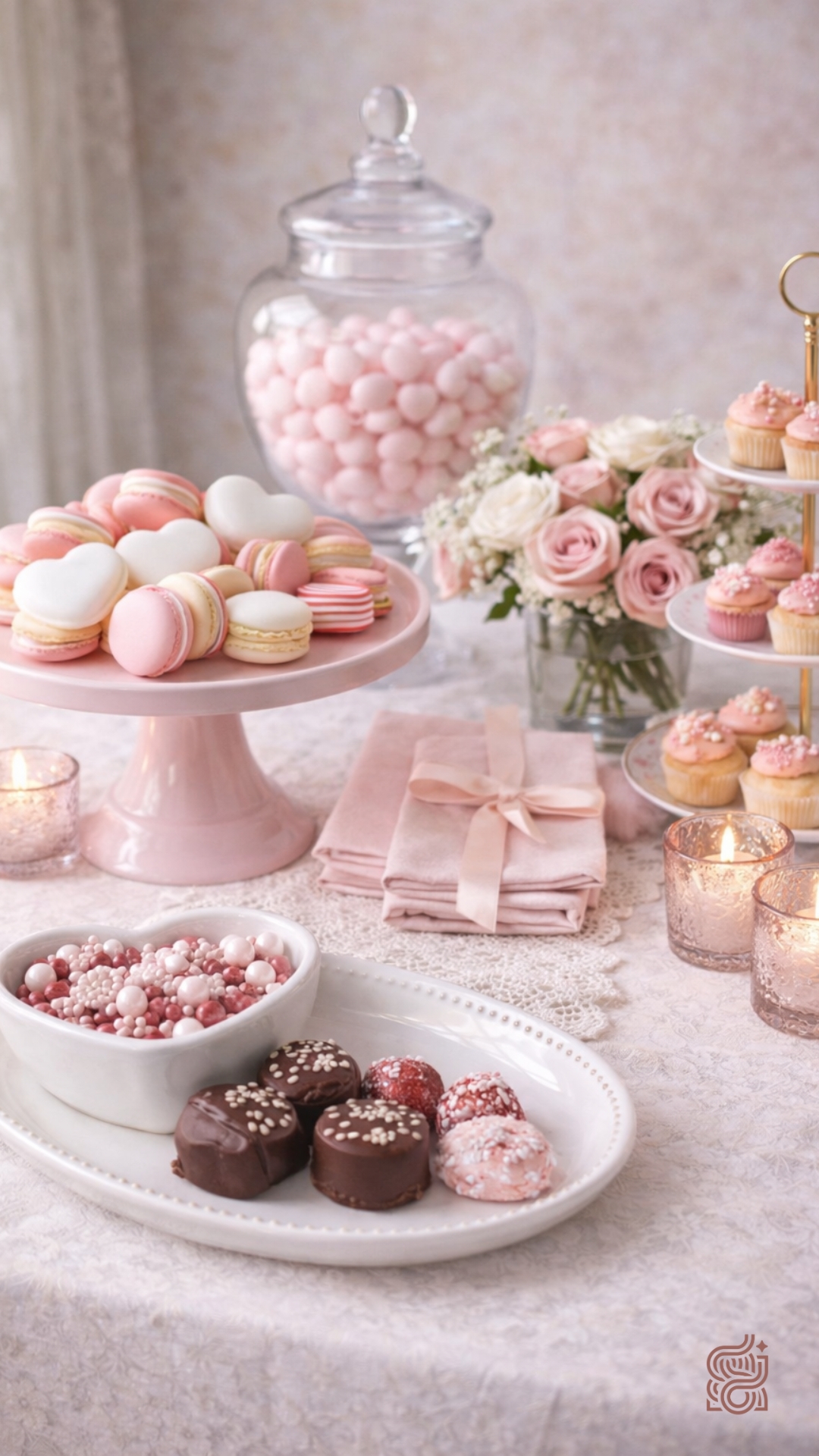
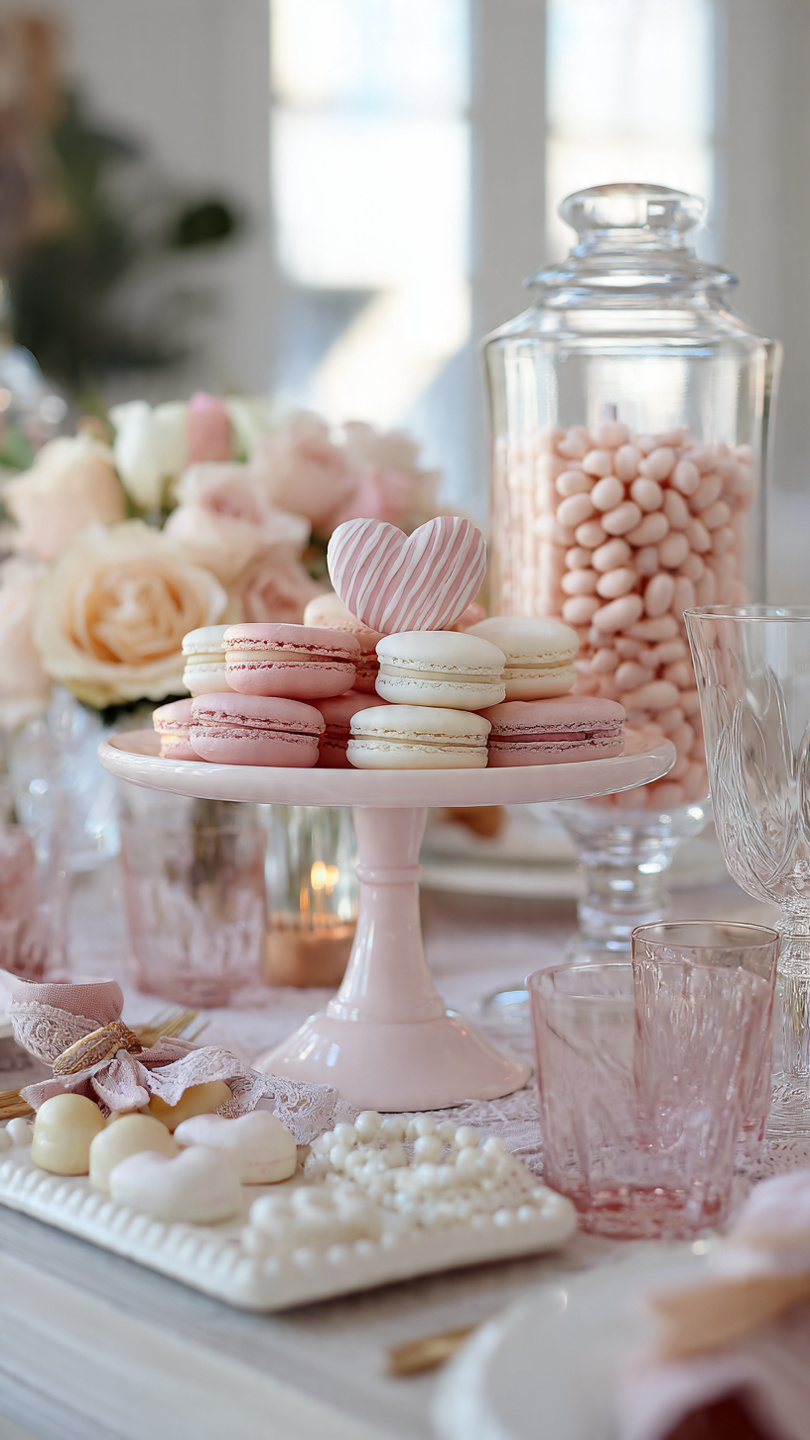
A soft blush palette paired with classic serving pieces, styled for an elegant Valentine’s Day dessert table or sideboard. This look is designed to feel light and sweet without being overly themed — timeless and easy to recreate at home.
Think delicate cake stands, scalloped porcelain, glass accents, and gentle floral touches that work together visually and layer beautifully for entertaining.
Each item was selected so you can recreate this soft blush look at home effortlessly.
The image above is a shoppable Amazon collage featuring the curated pieces used to recreate this Valentine’s Day table. Each item was selected to mix seamlessly, allowing you to style the full look or incorporate individual pieces into your existing collection.
This edit works equally well for a Valentine’s dessert spread, a small gathering, or a softly styled sideboard that can stay in place all season.
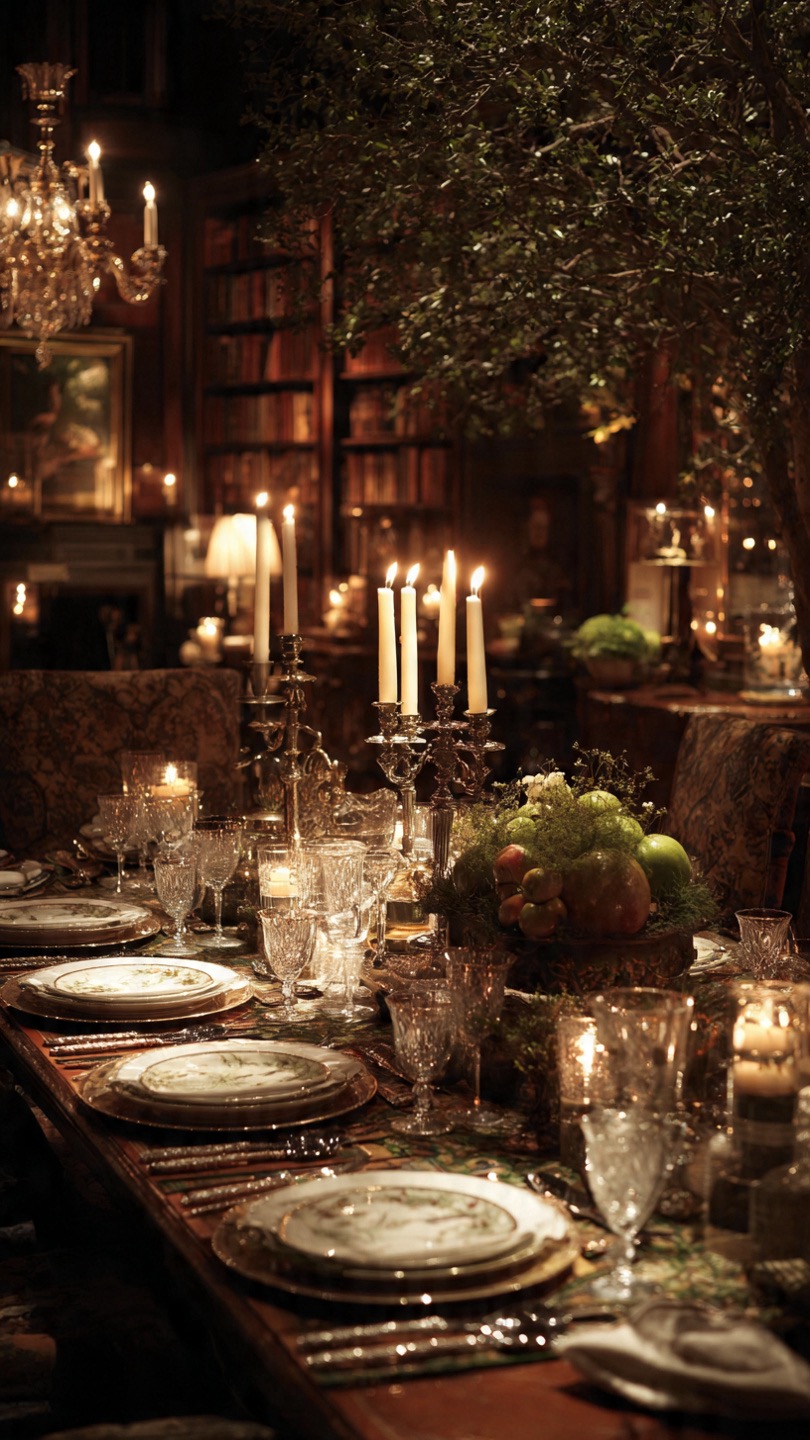
Inspired by the world of the quintessential American designer, these looks are defined by cozy sophistication and rustic elegance.
The palette is rich, built on layering colors and textures all warmed by the glow of soft candlelight.
The atmosphere is created through layering: a foundational element of tartan or classic plaid across your linens, juxtaposed with the sturdy texture of well loved leather furniture and the gleam of polished accents.
This is an approach that favors heirloom-quality pieces, resulting in a deeply inviting, yet refined space, creating a wonderful backdrop for gathering with family and friends, and making new memories.
Shop the Look
Inspired by the interiors shown, I curated similar pieces to help recreate the depth — furniture, lighting, and decor that reflect the same rugged and refined balance.
To me, Ralph Lauren Christmas evokes ideas around family heirlooms, traditions, heritage antiques, beautiful, meaningful, storied, personal, thoughtful elements layered together to create a warm, inviting, elegant holiday gathering.
I can’t even believe some of the amazing things I’ve found this year. Especially from 1st dibs and Amazon. Heirloom antiques, vintage pieces that bring you back to Christmas past.
A Ralph Lauren-Inspired Dining Room and Table Setting
The overall idea for this dining room interior design and round table setting includes the tartan and traditional Christmas elements.
This Ralph Lauren-inspired Christmas style combines rich traditional elements with rustic elegance. An antler chandelier serves as a stunning focal point. The look ties together classic tartans and natural textures for a sophisticated holiday atmosphere.
Over time, I’ve come to realize that what I instinctively practice isn’t just basic interior decorating, digital design, or fashion design—it’s something deeper, known as “genius loci”: the Latin term for the spirit of place. When I move somewhere new, I’m drawn to its unique history and aesthetics—whether delving into Old Town Alexandria’s colonial fruit garlands or admiring the southwestern adobes adorned with luminarias. I’m always seeking what makes each location beautiful, warm, and authentically human.
This approach means uncovering the story behind every visual element. It’s about understanding the scaffolding beneath the details—the architectural vernacular and organic building traditions shaped from local materials, climate, and culture across generations. For example, the fruit garlands on Alexandria’s Christmas doors aren’t just decoration; they represent centuries of hospitality and adaptation, merging European customs with American resources and the Mid-Atlantic climate.
Understanding Place-Based Design Through History
Place-based design means listening to a location first—observing how light falls, why certain materials have always been favored, and how cultural memory is coded into architecture. By digging into the “why” behind each choice, you discover the original intentions that made a place compelling, helping you visualize what feels authentic and enduring.
It isn’t about imposing a style; it’s about discovering the warmth of a place’s story and continuing it through curated choices. Some of the most beautiful spaces flow with their environment rather than fighting against it.
AI as a Tool for Visualization
AI is changing how I explore and visualize these place-based design concepts. With AI tools, I can upload photos of weathered bricks or regional motifs and generate multiple interpretations for contemporary interiors, clothing, and beyond.
The quality of AI output has grown rapidly, especially in recent months. For fashion, these tools let me input motifs and regional palettes to visualize designs that reflect a location’s aesthetics in ever greater nuanced detail.
The Creative Process with AI
AI visualization tools are powerful collaborators for exploring place-based design. I can input prompts describing specific regional styles and generate variations that honor original aesthetics while offering fresh takes. AI doesn’t replace the need for understanding; it provides a wealth of visuals that I research, verify, curate, and finetune, guiding the output toward greater authenticity. My research uncovers historical choices—often resulting in a visual dataset or tuned style—which AI helps me reinterpret for everything from interiors to fashion.
Bridging Tradition and Innovation
AI uniquely enables place-based fashion and design—creating pieces that reflect authentic, location-specific aesthetic details. By analyzing color palettes from landscapes, patterns from textiles, or architectural elements, I can use AI to generate concepts that carry those details forward and use them in new ways.
For me, the process isn’t about superficial reproduction but about translating the spirit of a place through modern technology. AI becomes a tool I can tune, to visualize how the genius loci can be embodied in new work. With careful tuning and curation, I can use it to move closer to getting more detailed authenticity in a wider range of visual output, and broaden my creative goals.
My YouTube Channel
My channel is inspired by the genius loci—the authentic spirit—behind fashion, interiors, and architecture, brought to life through AI visualization and research.
I combine research and AI tools (plus plenty of non-AI methods) to visualize historic and modern living spaces and fashion.
It’s about discovering a place’s vernacular and using AI to interpret its beauty for contemporary design-whether I’m generating textile embroidery inspired by regional motifs or visualizing historical elements for modern interiors.
A curated series blending regional aesthetics and historical influences, brought to life through AI-generated visuals. This collection celebrates the unique architecture, textures, and styles of the Sonoran Desert. It offers creative inspiration rooted in the natural desert beauty and visual vernacular of Southern Arizona.
When I was renovating our home, I spent months designing and planning, and I can never get enough visual inspiration. I would have loved to use AI-generated imagery—it could have helped me visualize a wider range of historic details maybe a bit easier. That’s the spirit of this post: an AI “home tour” designed to inspire your own projects.
Today’s AI interior design inspiration takes us through a residence thoughtfully crafted to echo the historic desert dwellings nestled into the foothills outside Tucson, Arizona. Neutral color palettes, adobe pueblo-revival architecture, and hand-crafted details blend to create soothing, calm spaces that feel both curated and authentic.
From cozy living rooms bathed in desert light, to serene bedrooms with aged-wood beams, soulful kitchens with saltillo tile, and courtyards rich in native plants, this journey is a celebration of Southern Arizona’s timeless charm and the creative possibilities unlocked by new technologies like AI.
Living Room: Relaxed with Desert Light
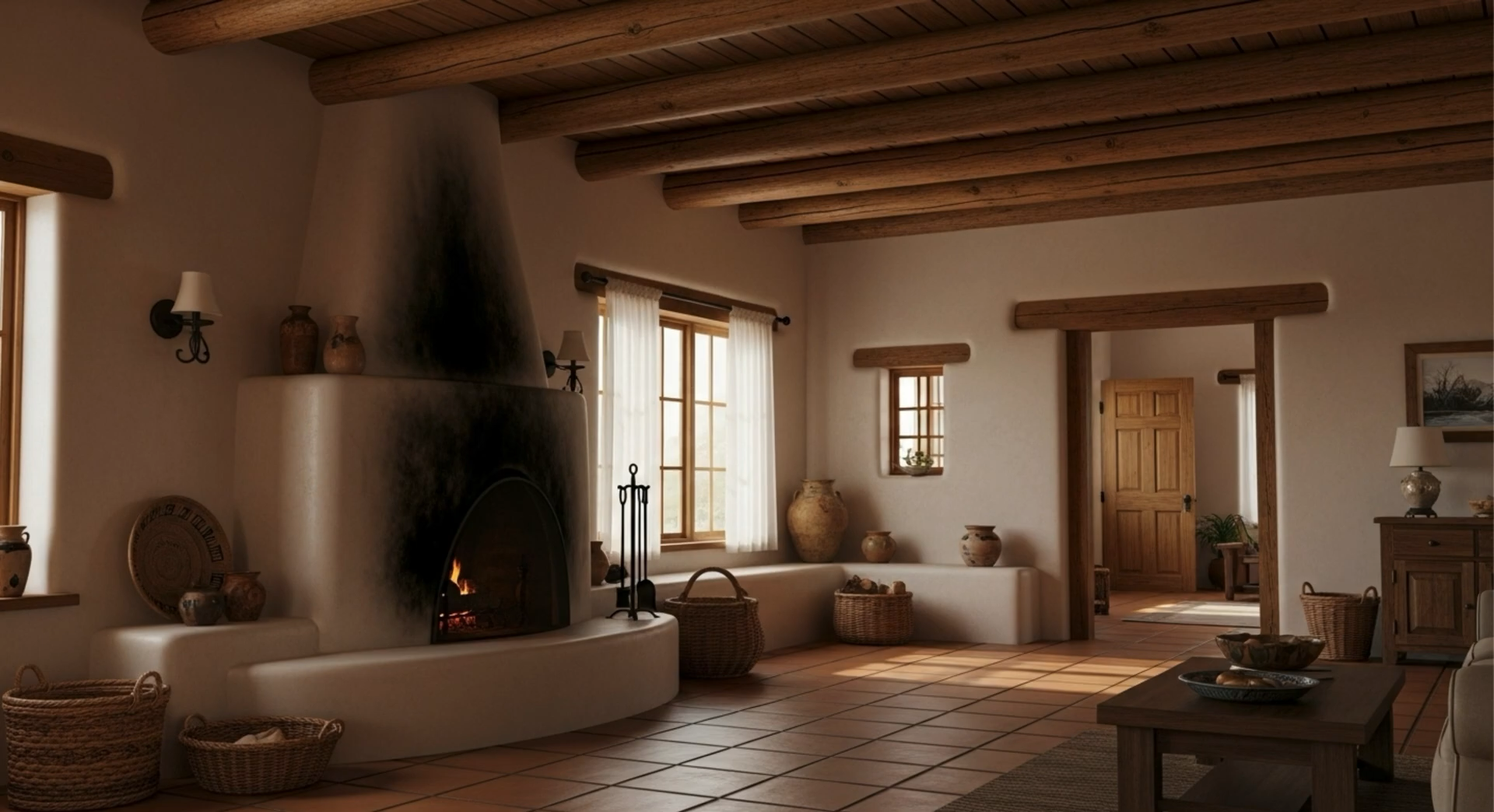
Raw adobe walls finished in limestone plaster, massive vigas overhead, and a saltillo-tile floor lay the foundation for a calm seating vignette. A vintage rug anchors a linen-clad sofa, while wrought-iron sconces cast warm evening shadows. Beyond the arched French doors, crimson bougainvillea frames a panorama of saguaro-studded hills.
Sonoran Desert Southwest Inspired Living Room with neutral palette and accents
Dining Room: Pueblo Revival Meets Spanish Ironwork
The flagstone-paved dining hall celebrates slow meals and conversation. A hand-hewn mesquite table—long enough for ranch-style gatherings—sits beneath a Spanish iron chandelier. Terracotta pottery, collected from Tucson’s 1890s Mercado District, lines deep wall niches; outside, climbing bougainvillea brushes past the arched window like a living curtain.
Adobe Dining Room with Spanish iron details and desert view
Bedroom: Quiet Luxury Under Carved Beams
In the principal suite, rough-sawn vigas stretch across a softly barrel-vaulted ceiling. Layers of flax-colored linen, crisp white percale, and saddle-blanket accent pillows epitomize restraint. French doors open to a private cactus courtyard where night-blooming cereus come to life each summer solstice.
Calm Pueblo Revival Bedroom overlooking cactus courtyard
Bathroom: Talavera Accents & Aged Brass
Saltillo pavers continue into a bath wrapped with cobalt-and-sunflower talavera risers. A reclaimed-wood vanity—fashioned from an old gate—supports hammered-copper basins and aged-brass taps. Desert light filters through a high clerestory, illuminating every brushstroke of the hand-painted tiles.
Talavera Accented Adobe Inspired Bathroom
Walk-In Closet: Rustic Order
Adobe alcoves become open shelving for cowboy boots and straw sun hats blending frontier practicality with understated luxury.
Southwestern Adobe Inspired Walk-in Closet
Courtyard: Bougainvillea-Framed Serenity
Step outside to a flagstone path edged by golden barrel cactus and purple prickly pear. Terracotta wall pots overflow with magenta bougainvillea, while a carved stone fountain murmurs at the center of the space. Evening light ignites the adobe into warm sienna and rose.
Adobe Courtyard with Bougainvillea and Flagstone Path
This short video is a visual exploration of Tucson-style interiors — how they’ve evolved over time, and how many elements have remained beautifully unchanged.
From early Sonoran adobe homes with thick hand-formed walls to Territorial-era details and mid-century adaptations, Tucson architecture carries layers of climate-driven design, cultural influence, and lived-in charm.
Thick adobe walls, hand-plastered textures, shady courtyards with bougainvillea spilling over walls, aged wood vigas, classic Southwest tile, kiva style fireplaces – it’s these and other details that make Tucson architecture so inviting.
All visuals were created using AI, based on research, references, and my own curiosity to see what these places might have really looked like.
This is part of my broader exploration of regional design — blending visual storytelling with place-based research.