This site contains Amazon and ShopMy affiliate links, which means I may receive a commission, at no extra cost to you, if you make a purchase through a link.
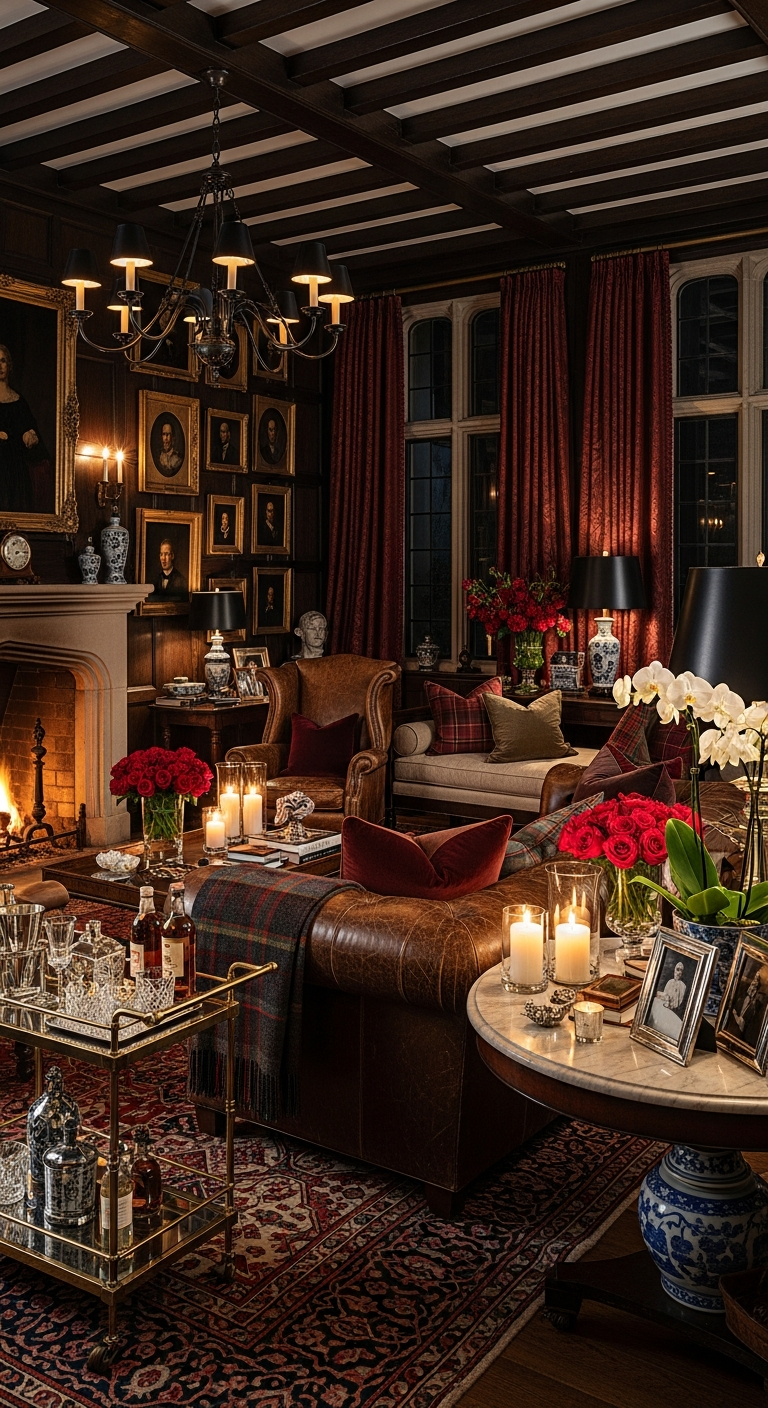
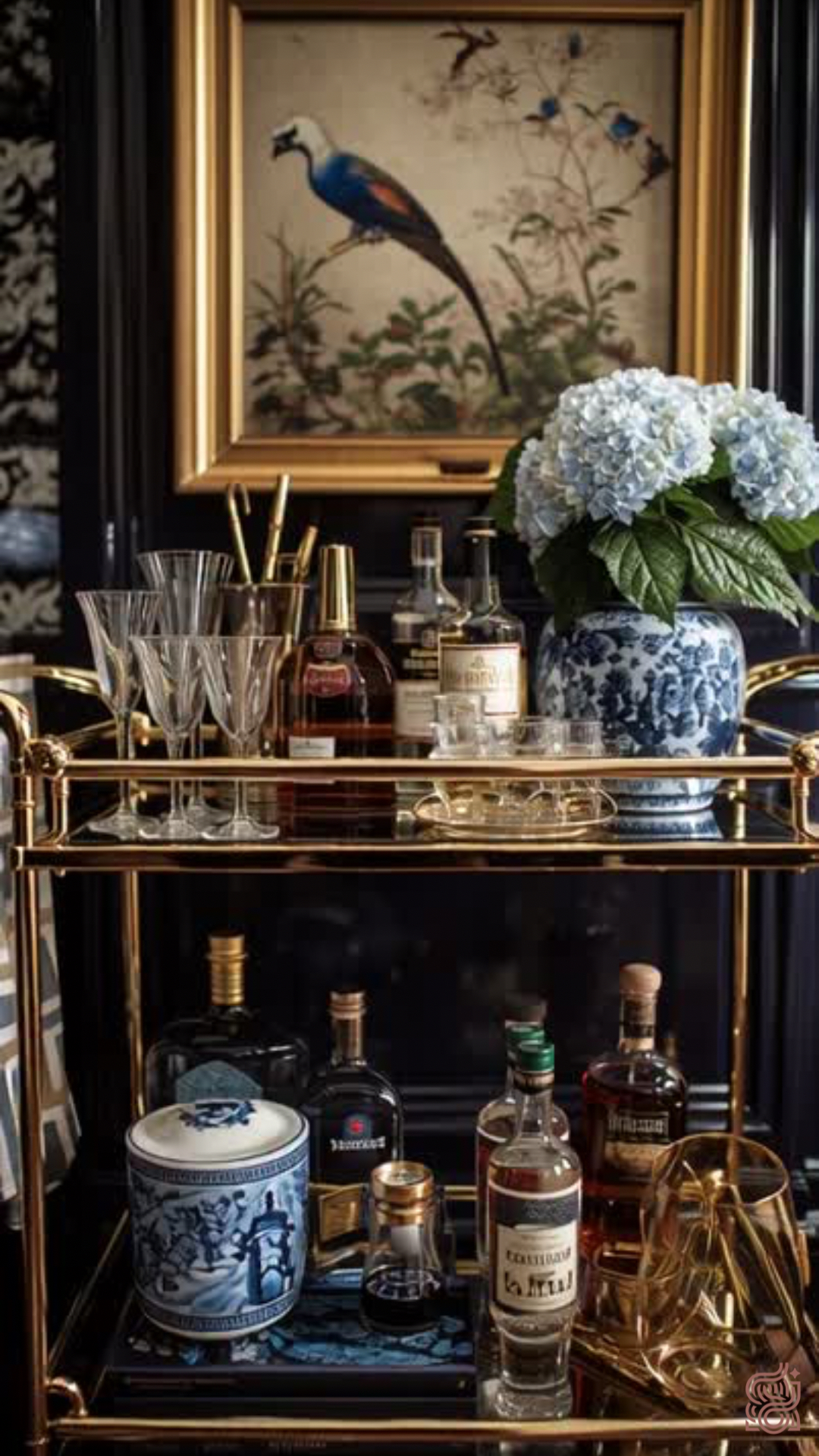
I love the idea of a bar cart or serving cart that you can style for each holiday and occasion.
With a simple foundation, the look can evolve throughout the year. A shift in florals, a seasonal palette, or one thoughtful detail can completely change the mood. A bar cart or serving cart is endlessly adaptable.
How to recreate the look
I’ve curated similar pieces to the looks featured in the video, to bring them to life – making it easy to recreate this style at home.
This Amazon list includes items similar to the ones shown throughout the video— bar carts, glassware, trays, accessories, and decorative accents.
The collage below focuses on the first bar cart look featured in the video. It’s a tighter edit made up of real, available products selected to closely match that specific setup.
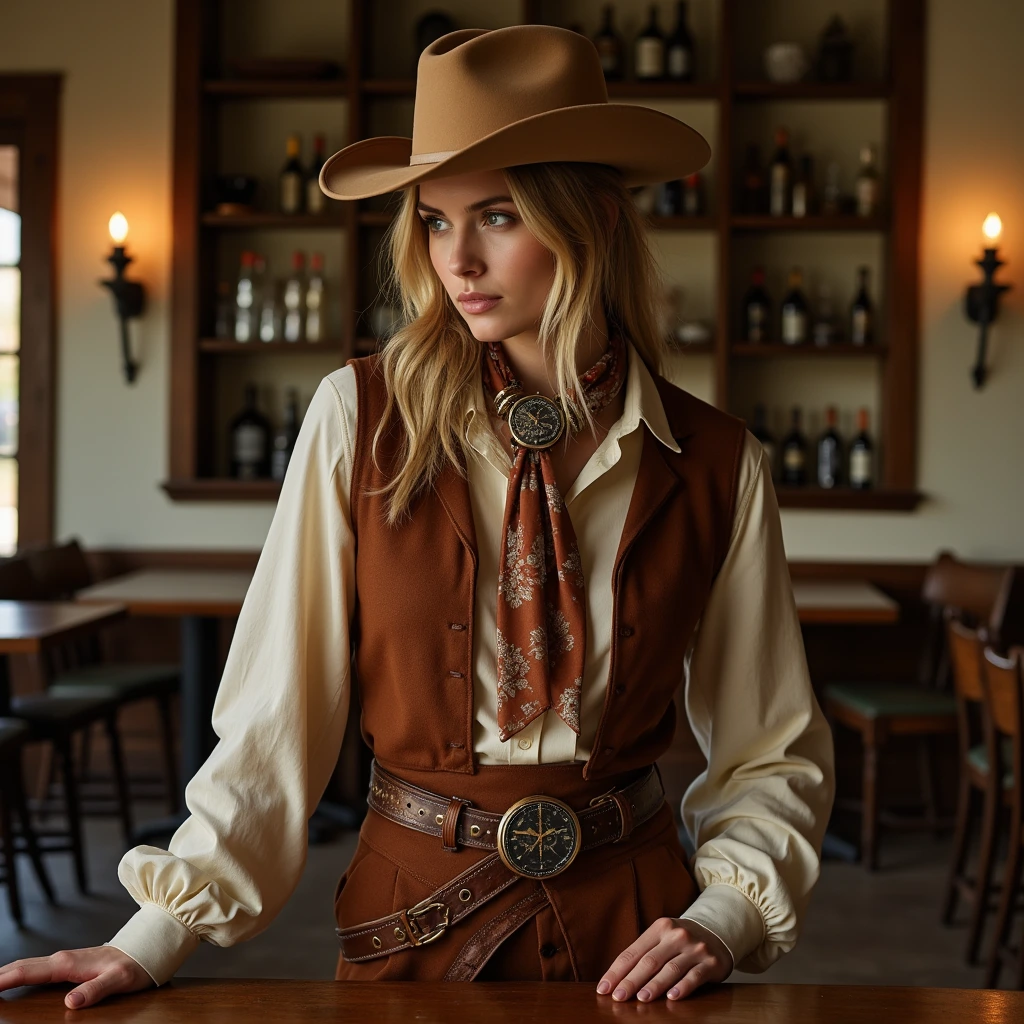
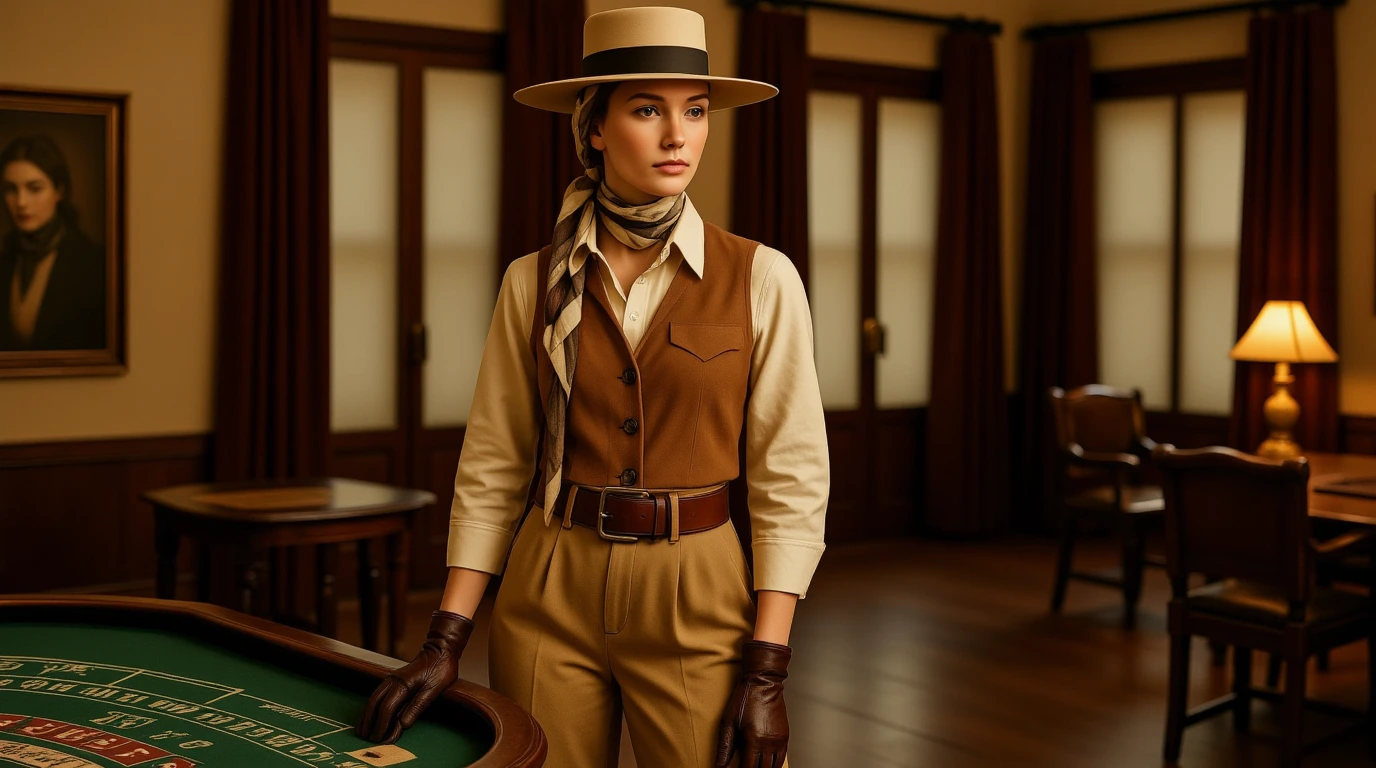
This video is a 5-minute visual study of fashion inspired by historic desert saloon gamblers. Using AI image tools, the video explores how classic
frontier silhouettes and Old West motifs, still work for today.
From gamblers to cowgirls in structured jackets, split riding skirts, and layered neckwear, these outfit combinations are shaped by place, climate, and a visual sense of narrative. It’s a thematic exploration into elegance and utility — remixed through the lens of design.
This post contains affiliate links. This means that if you click on a link and make a purchase, I may earn a small commission at no extra cost to you. This commission helps me keep this blog running and allows me to spend time finding more great stuff for both of us, including new ways to shop and make finding what you want easier! Thank you for your support!
Some styles are more than trends — they’re rooted in place, shaped by history, and carried forward with reverence through the details.
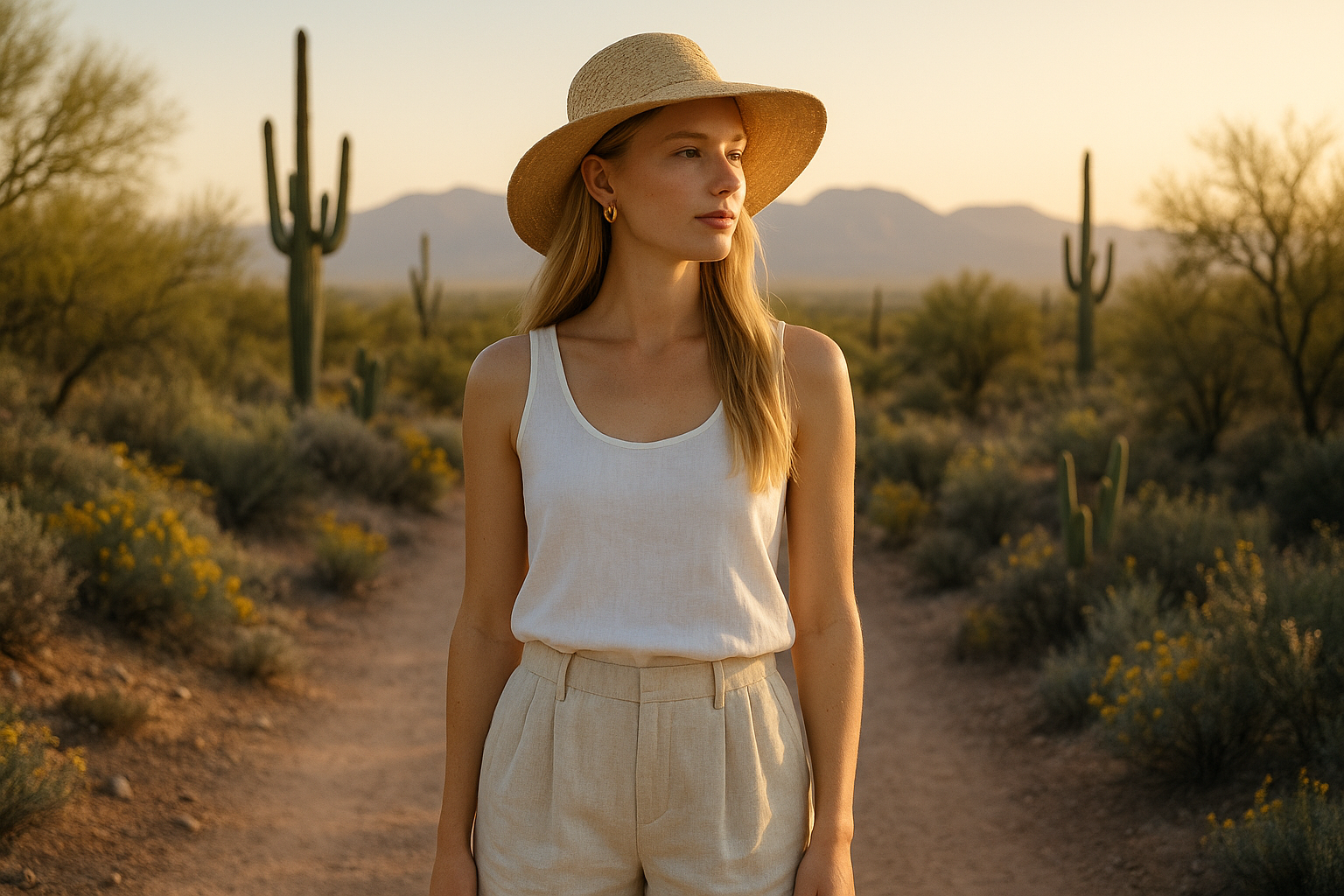
This collection is a visual exploration of fashion inspired by the American Southwest and regions with strong heritage design. I reimagine what it means to dress with intention and utility across time and terrain — pulling from 1890s Tombstone, 1930s Arizona dude ranches, and countryside silhouettes influenced by classic British equestrian wear.
Each outfit tells a layered story. The looks echo Wild West saloons, cowboy and cowgirl style, ranch life, saddlery, and sun-soaked desert resorts — all shaped by utility, elegance, and climate-conscious design. It’s also in the small distinctions: scarves vs. bandanas, neckline shapes, the tilt of a hat, boot silhouettes — subtle details that say so much.
🧵 Threads of Time and Place
Tombstone Saloon 1890s gamblers and frontier tailoring — bold hats, long coats, and dramatic flair.
This project is part of an ongoing exploration of regional style — especially the Desert Southwest — brought to life through careful research, visual design, and AI tools. It’s about honoring real places, real history, and the visual language that shapes them.
📋 Explore More
🗂️ This is just one part of a broader visual archive — spanning blog posts, lookbooks, product collections, and short-form videos across platforms.
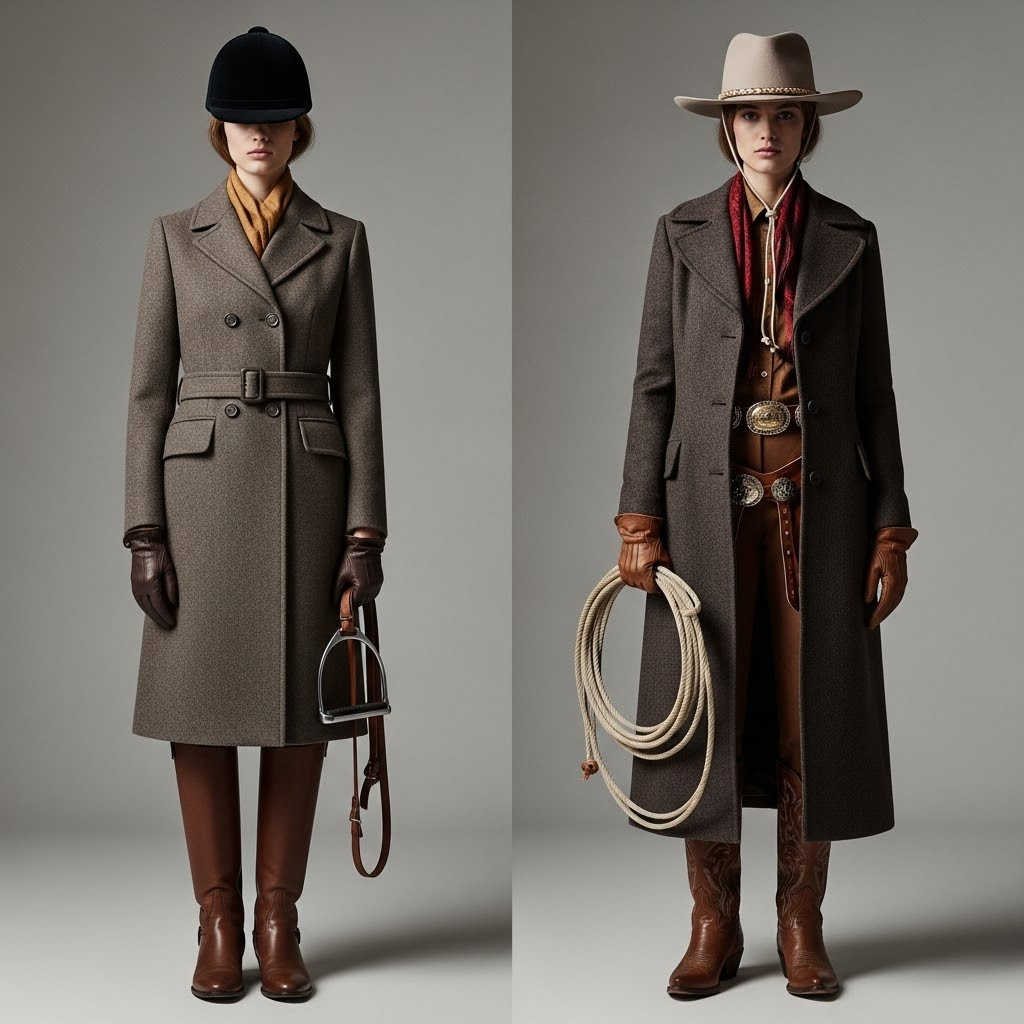
Images: A side by side style comparison. A study of details.
On the left, the woman is wearing an English equestrian-inspired look with a structured wool coat, velvet riding cap, leather gloves, and tall riding boots.
On the right, the look is blended with a Southwestern cowboy-inspired look featuring a similar brown wool double breasted coat, felt cowboy hat with chin cord, black cowboy boots with embroidery, concho belt, and gloves — a blend of tradition, texture, and frontier identity.
This visual comparison explores two heritage-driven styles — one shaped by the misty countryside of England, the other by the dry expanse of the American Southwest. Both looks are rooted in equestrian traditions, tailored layering, and garments built for movement and climate. Yet each speaks a different visual language.
The English equestrian look leans refined and understated: clean lines, structured wool, and polished leather. It’s rooted in formality, tradition, and precision — a style shaped by temperate climates, hunting culture, and riding clubs. Every detail is deliberate: the velvet helmet, the jodhpur boots, the reins coiled just so.
By contrast, the Southwestern cowboy-inspired look draws from ruggedness and myth: dusty brown tones, a wide-brimmed hat, concho details, and clothing made for heat, dust, and long days outdoors. It’s cinematic and regional — shaped by ranch life, early Hollywood cowboy mythos, and desert utility.
The nuanced details between these two outfits demonstrate how similar foundations — equestrian gear, tailored coats, gloves, and boots — can split into entirely different visual vocabularies, depending on geography and history. One is brisk and clipped. The other, wind-worn and expansive.
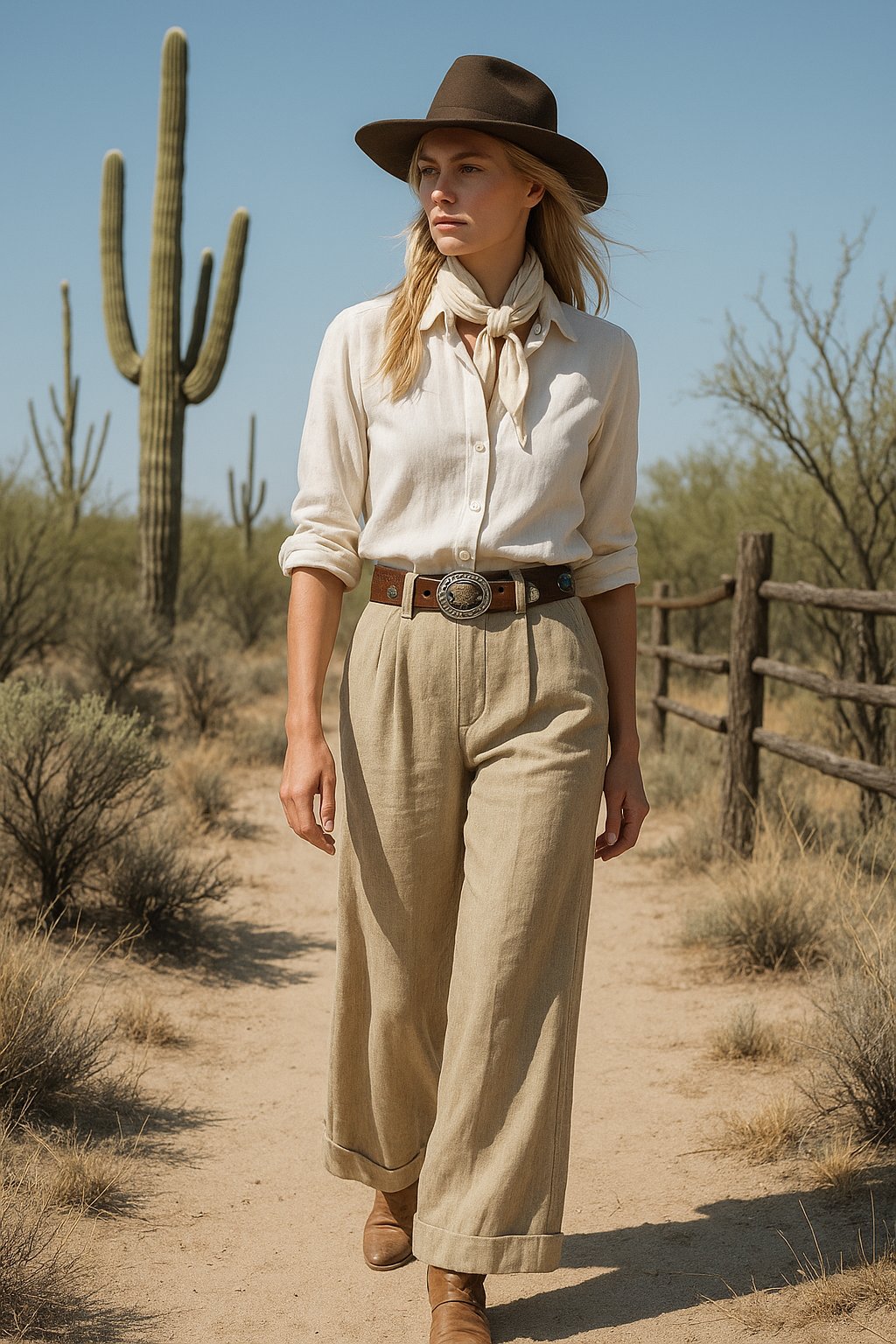
Step into the style of the Southwest with this desert Southwestern-inspired ensemble.
Brown Wide-Brim Fedora
A chocolate brown, soft-structured wool felt fedora with a tall crown and subtle faux-suede trim. This hat is unisex, offers UPF 50+ sun protection, and is designed for a comfortable, slightly oversized fit.
This project is part of an ongoing exploration of desert Southwest regional style brought to life through historical research and visual design and continually evovling AI image techniques. It’s about honoring real places, real history, and the visual language that shapes them.
📋 Explore More
This is just one part of a broader visual archive — spanning blog posts, lookbooks, product collections, and short-form videos across platforms.