Calm, light-filled interiors shaped by natural materials and quiet luxury.
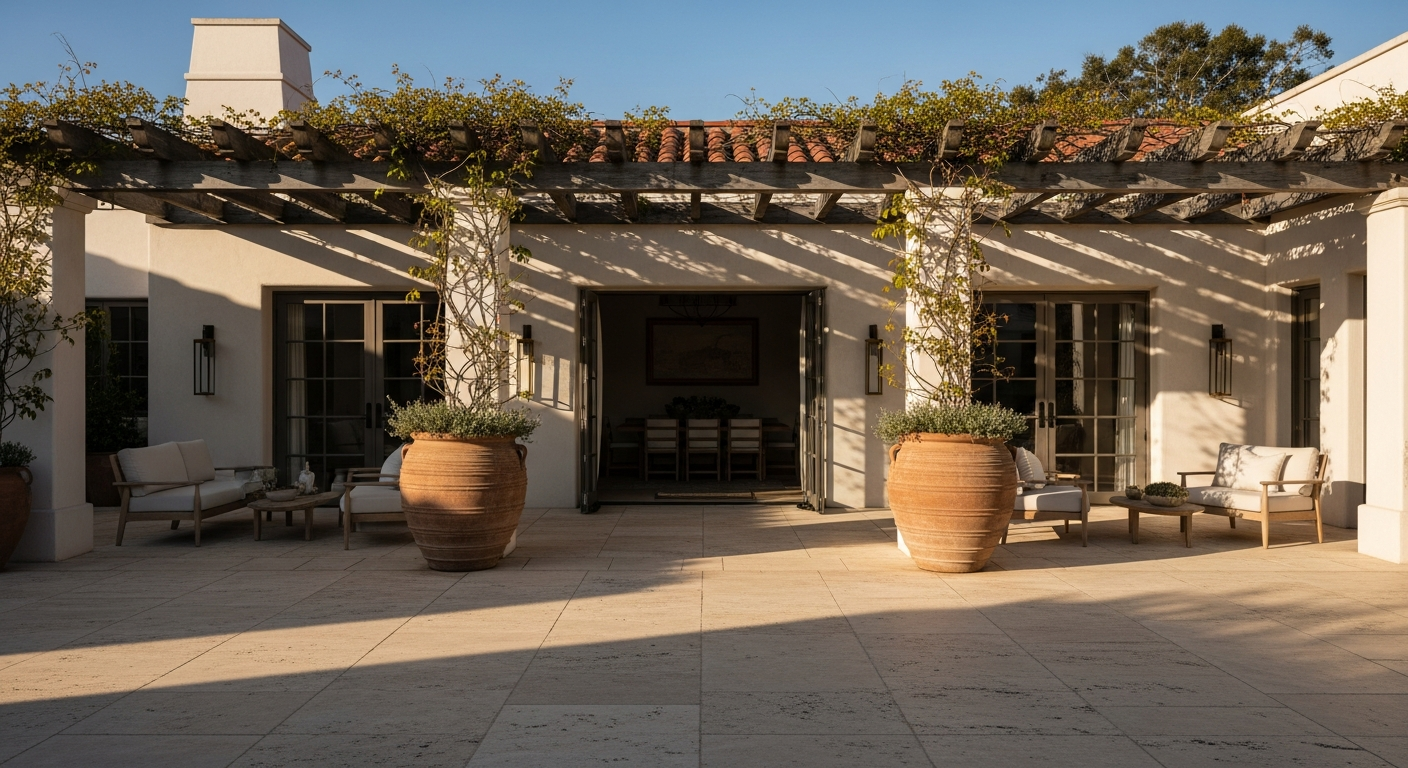
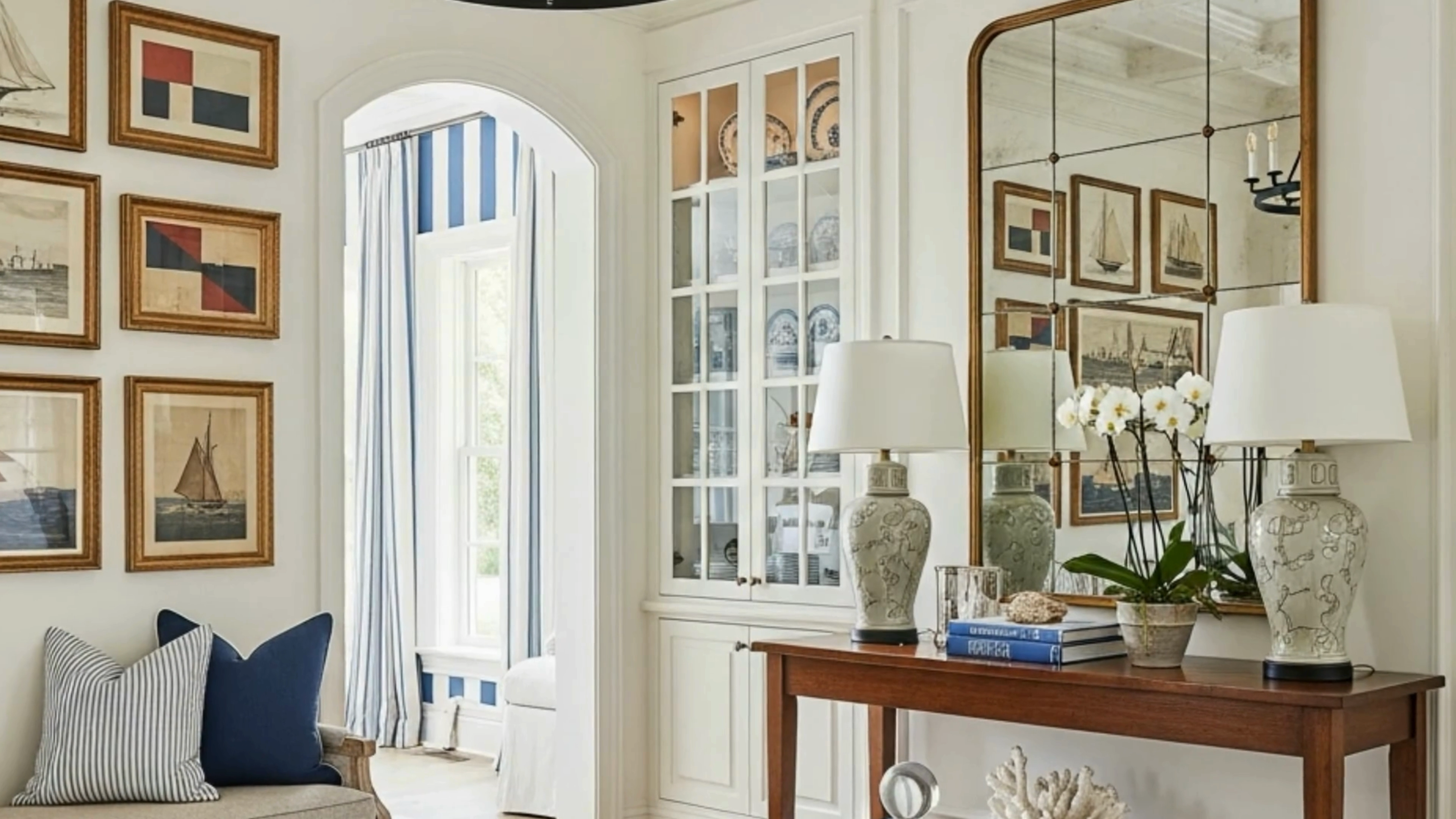
This California Casual interior edit focuses on calm, enduring spaces shaped by light, texture, and natural materials. Warm white plaster walls, light oak woods, Belgian linen textiles, and an easy indoor–outdoor flow define the look.
This style favors timeless materials like unpolished brass, tumbled limestone, and woven seagrass. The result is relaxed, bright, and effortless.
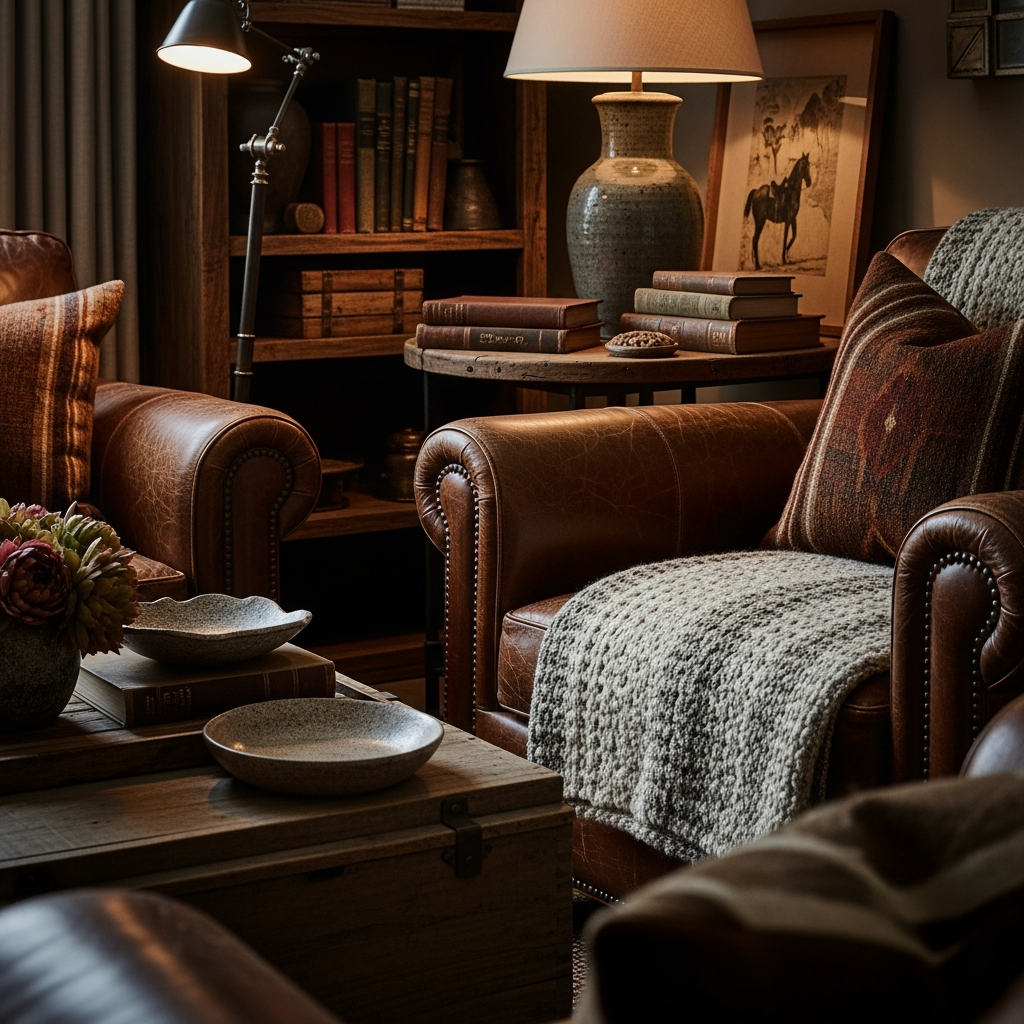
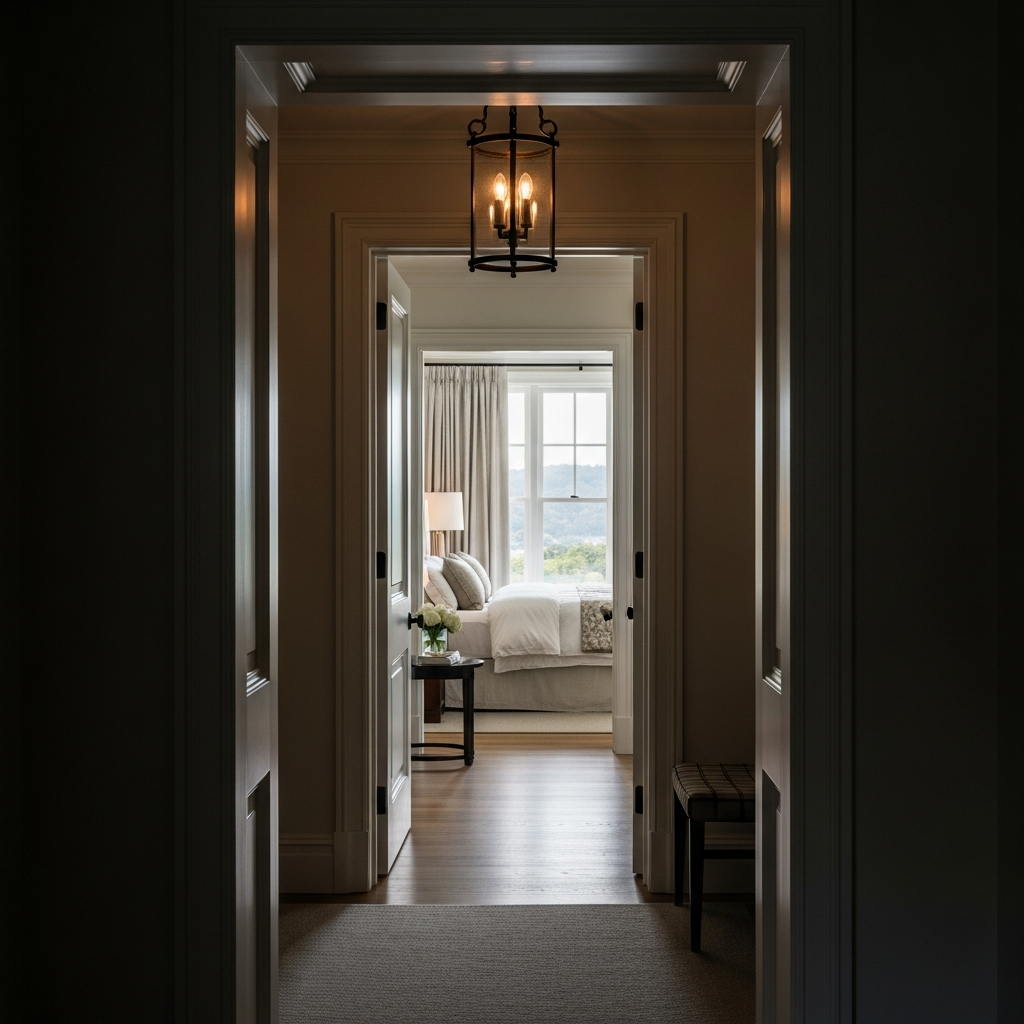
An interior design exploration of rugged yet refined spaces — warm wood, leather, soft textiles, and timeless furnishings layered for comfort and depth.
These interiors favor natural materials, classic forms, and lived-in styling. The atmosphere is grounded, calm, and enduring.
Shop the Look
Inspired by the interiors shown, I curated similar pieces to help recreate the depth — furniture, lighting, and decor that reflect the same rugged and refined balance.
The Recipe: A Soft Blush and Burgundy Peony Arrangement
This arrangement centers on peony-style blooms in white, blush, and deep burgundy, layered with blush ranunculus, soft buds, and delicate accent filler for texture. Sculptural echeveria succulents add contrast, while light, airy filler weaves between the blooms without overpowering the arrangement.
Designed in a clear cylinder vase, the arrangement is full and rounded, reading beautifully from all sides with a slightly front-favored composition.
Here’s the recipe ingredients with links to similar real and faux florals:
Begin with peonies to establish a rounded structure. Layer ranunculus at varying heights, place succulents low for contrast, and finish by weaving filler lightly throughout. The arrangement should feel full, soft, and balanced, with a subtle front emphasis.
Seasonal note: Peonies are typically available late spring through early summer. Outside of peony season, high-petal garden roses or carnations may be substituted.
This is a visual styling edit, paired with a curated Amazon list so you can recreate the look with real pieces.
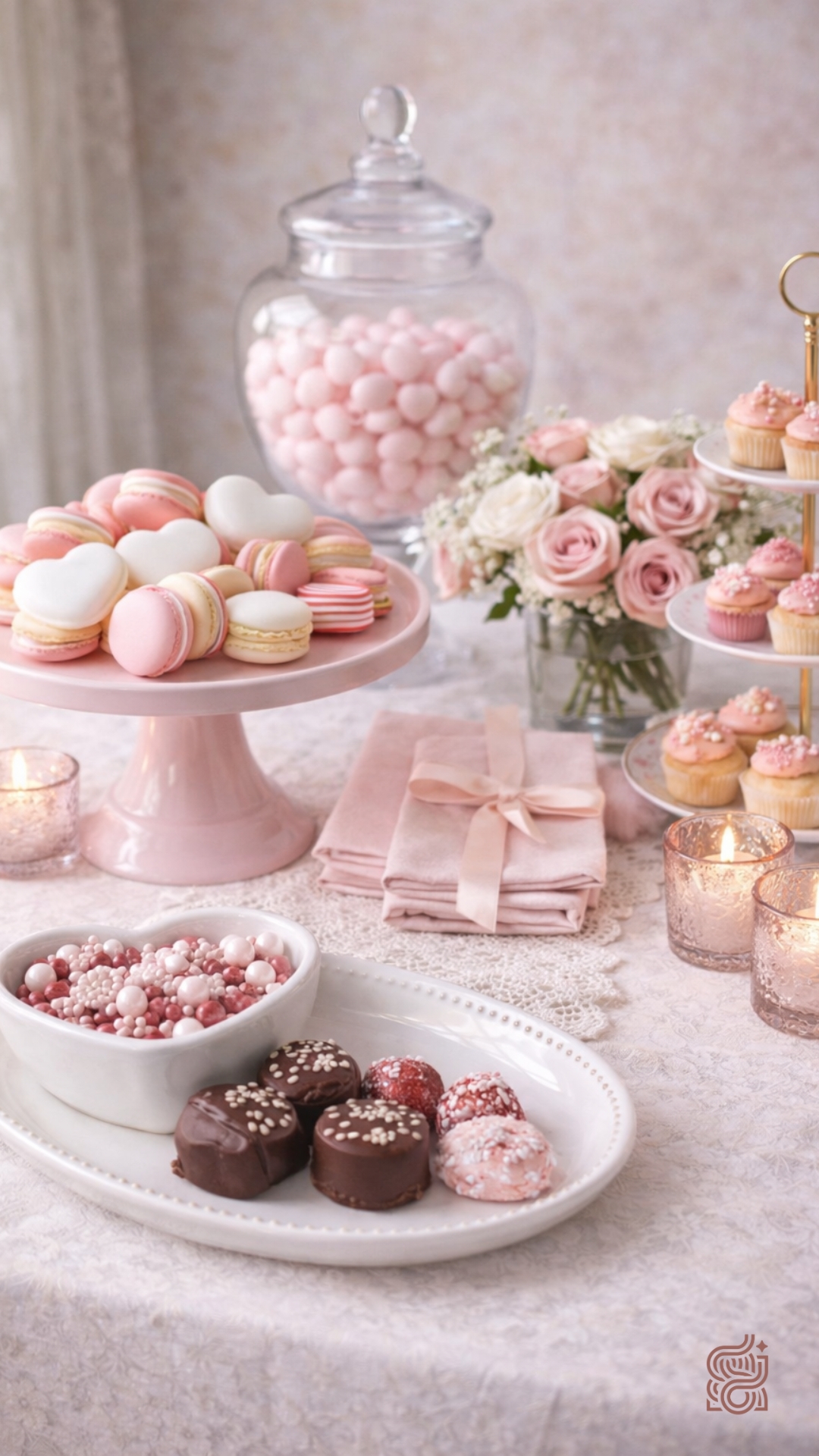
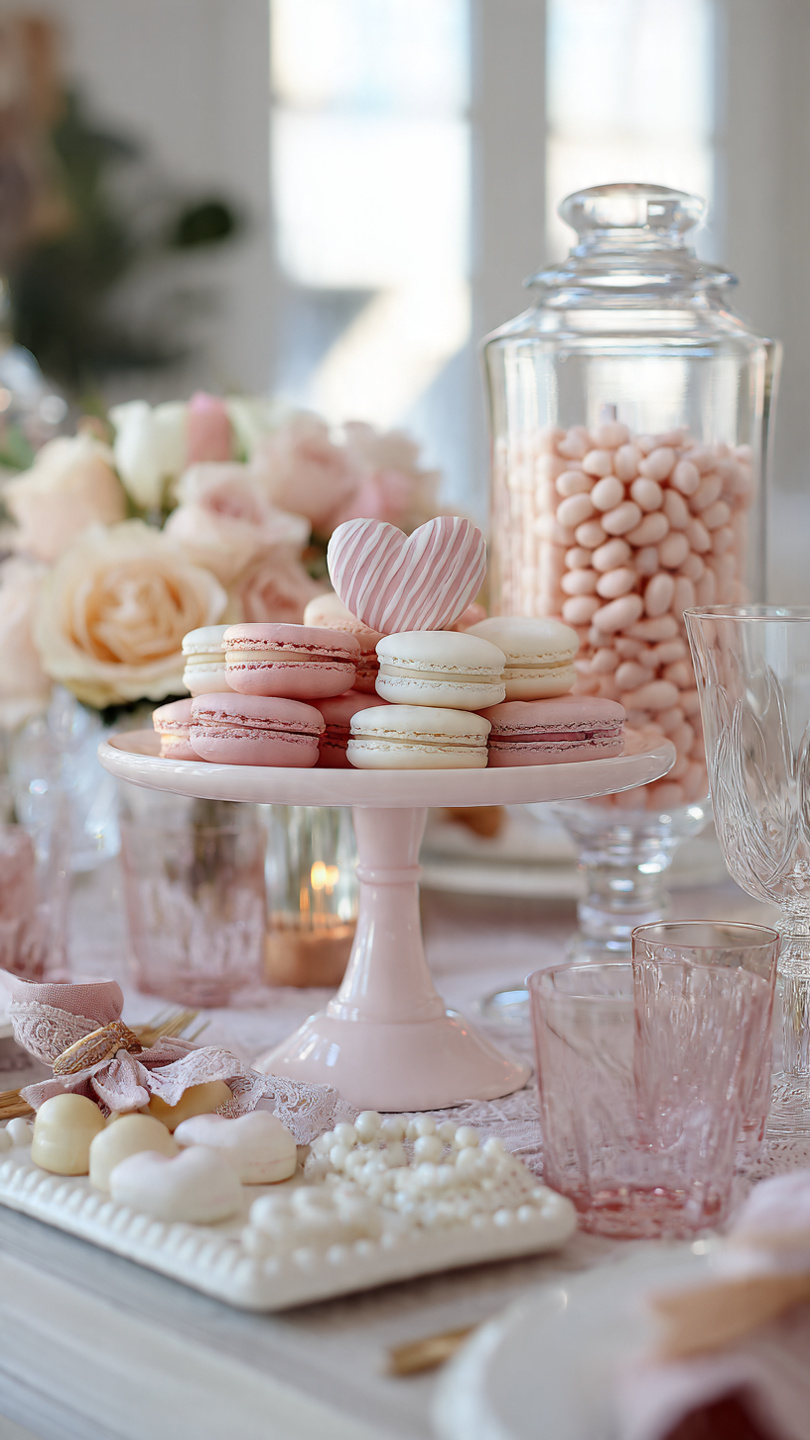
A soft blush palette paired with classic serving pieces, styled for an elegant Valentine’s Day dessert table or sideboard. This look is designed to feel light and sweet without being overly themed — timeless and easy to recreate at home.
Think delicate cake stands, scalloped porcelain, glass accents, and gentle floral touches that work together visually and layer beautifully for entertaining.
Each item was selected so you can recreate this soft blush look at home effortlessly.
The image above is a shoppable Amazon collage featuring the curated pieces used to recreate this Valentine’s Day table. Each item was selected to mix seamlessly, allowing you to style the full look or incorporate individual pieces into your existing collection.
This edit works equally well for a Valentine’s dessert spread, a small gathering, or a softly styled sideboard that can stay in place all season.
I created an Amazon List with visually matched pieces based on the interiors shown in the video. These are not exact items, but selections chosen to closely reflect the overall look, proportions, mood, or materials shown in the conceptual imagery. All available on Amazon.
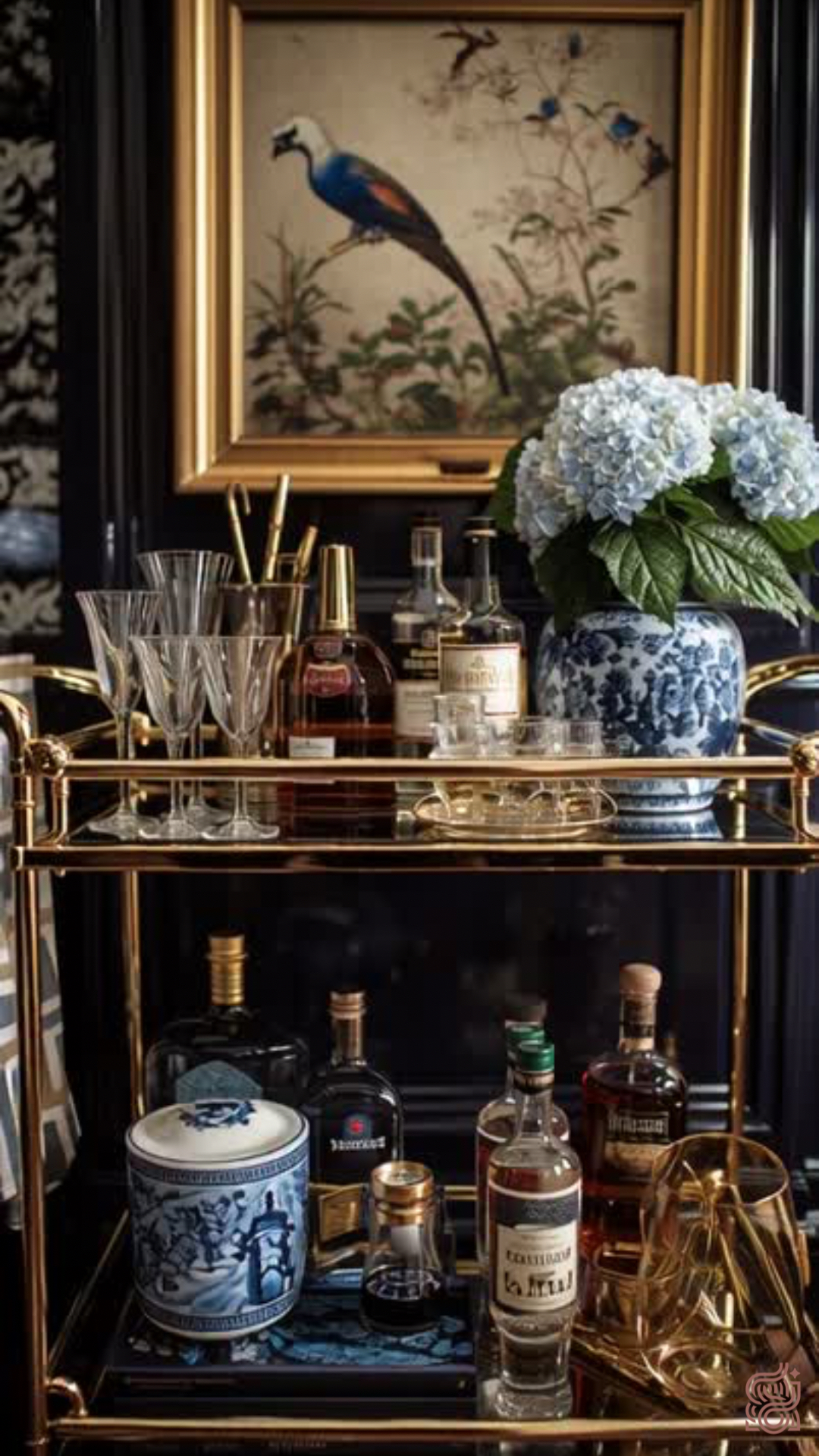
I love the idea of a bar cart or serving cart that you can style for each holiday and occasion.
With a simple foundation, the look can evolve throughout the year. A shift in florals, a seasonal palette, or one thoughtful detail can completely change the mood. A bar cart or serving cart is endlessly adaptable.
How to recreate the look
I’ve curated similar pieces to the looks featured in the video, to bring them to life – making it easy to recreate this style at home.
This Amazon list includes items similar to the ones shown throughout the video— bar carts, glassware, trays, accessories, and decorative accents.
The collage below focuses on the first bar cart look featured in the video. It’s a tighter edit made up of real, available products selected to closely match that specific setup.
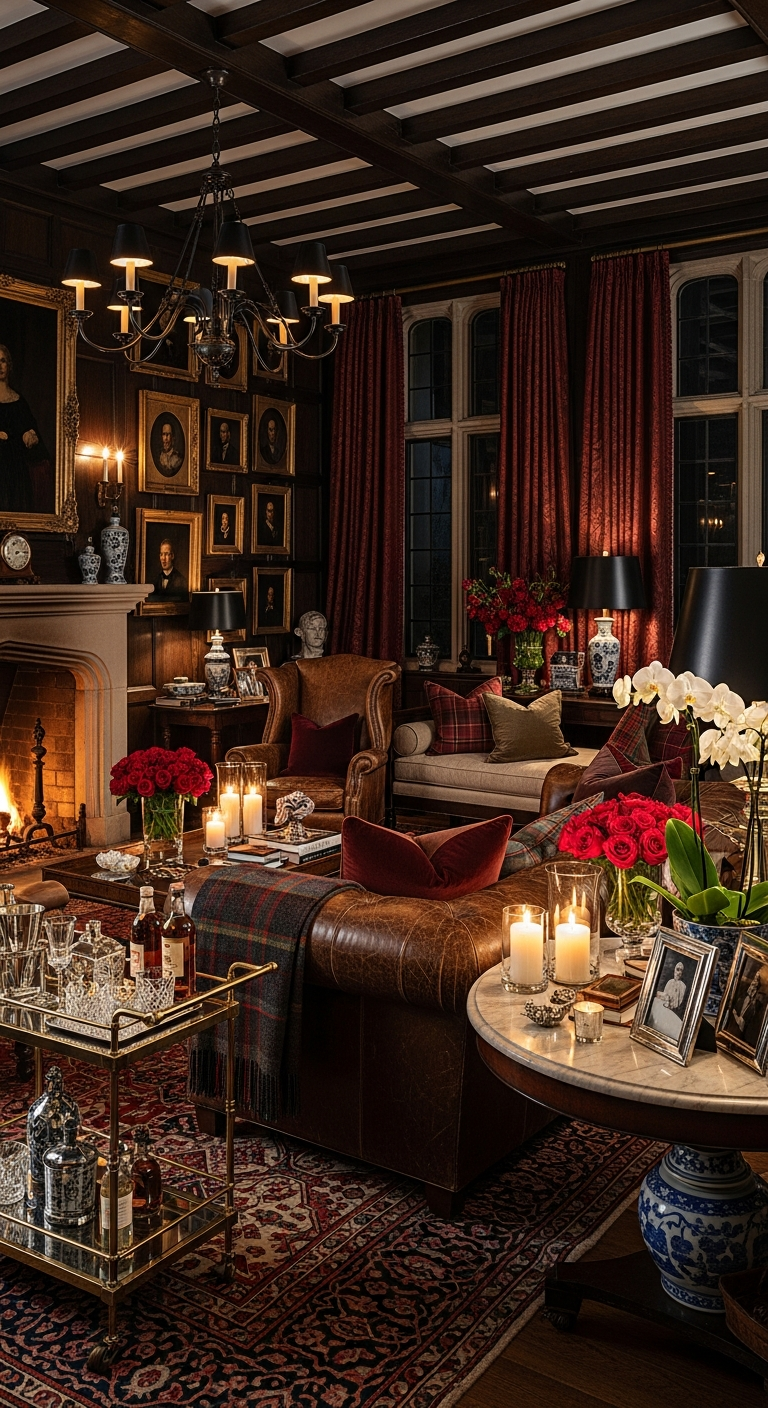
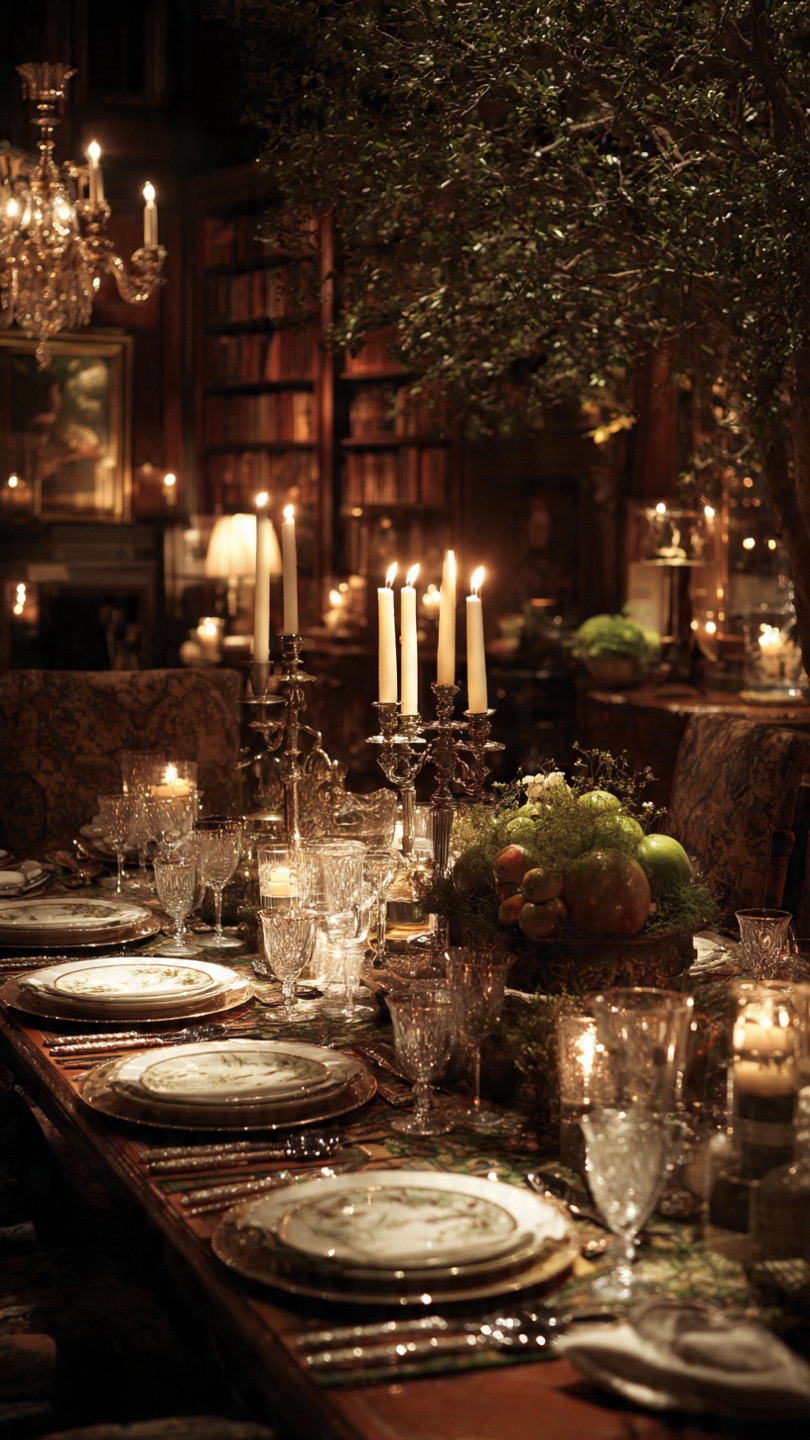
Inspired by the world of the quintessential American designer, these looks are defined by cozy sophistication and rustic elegance.
The palette is rich, built on layering colors and textures all warmed by the glow of soft candlelight.
The atmosphere is created through layering: a foundational element of tartan or classic plaid across your linens, juxtaposed with the sturdy texture of well loved leather furniture and the gleam of polished accents.
This is an approach that favors heirloom-quality pieces, resulting in a deeply inviting, yet refined space, creating a wonderful backdrop for gathering with family and friends, and making new memories.
Shop the Look
Inspired by the interiors shown, I curated similar pieces to help recreate the depth — furniture, lighting, and decor that reflect the same rugged and refined balance.
To me, Ralph Lauren Christmas evokes ideas around family heirlooms, traditions, heritage antiques, beautiful, meaningful, storied, personal, thoughtful elements layered together to create a warm, inviting, elegant holiday gathering.
I can’t even believe some of the amazing things I’ve found this year. Especially from 1st dibs and Amazon. Heirloom antiques, vintage pieces that bring you back to Christmas past.
A Ralph Lauren-Inspired Dining Room and Table Setting
The overall idea for this dining room interior design and round table setting includes the tartan and traditional Christmas elements.
This Ralph Lauren-inspired Christmas style combines rich traditional elements with rustic elegance. An antler chandelier serves as a stunning focal point. The look ties together classic tartans and natural textures for a sophisticated holiday atmosphere.
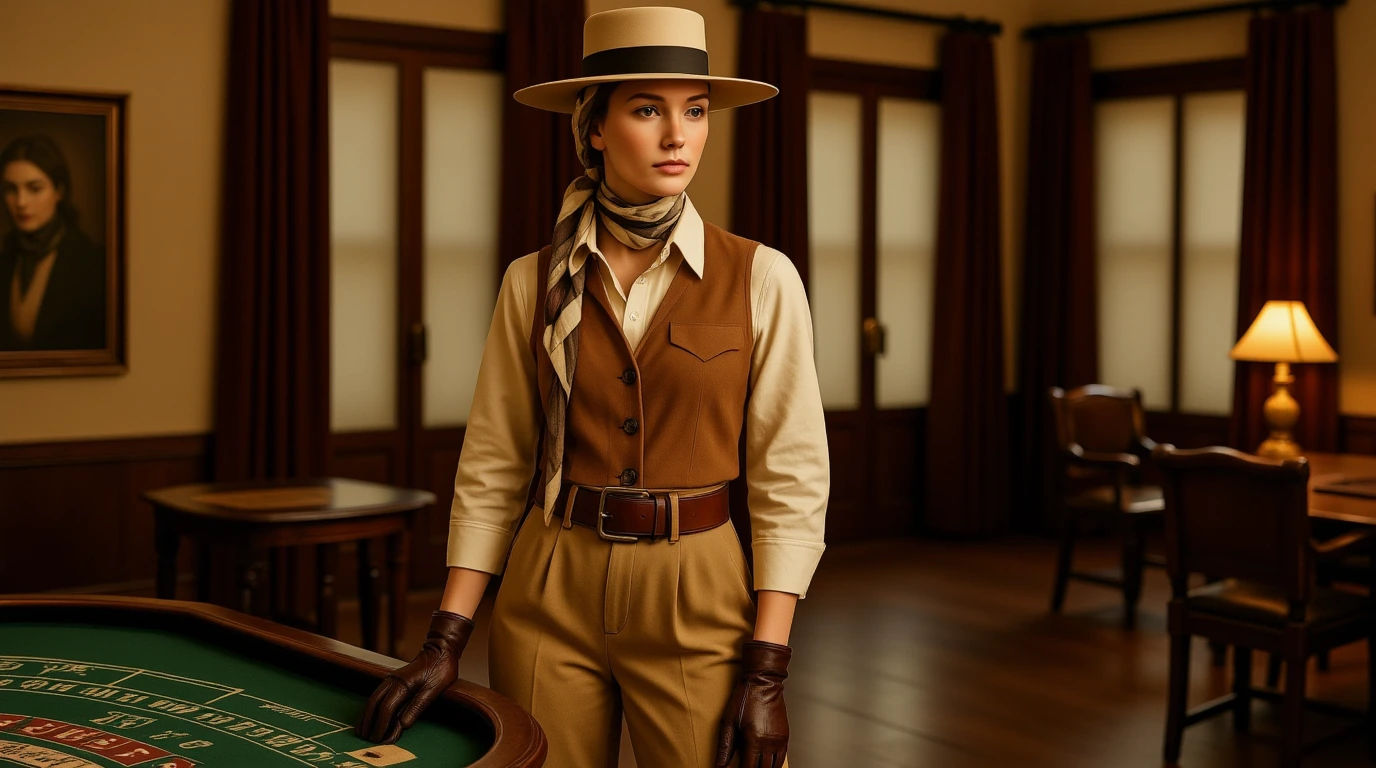
This video is a 5-minute visual study of fashion inspired by historic desert saloon gamblers. Using AI image tools, the video explores how classic
frontier silhouettes and Old West motifs, still work for today.
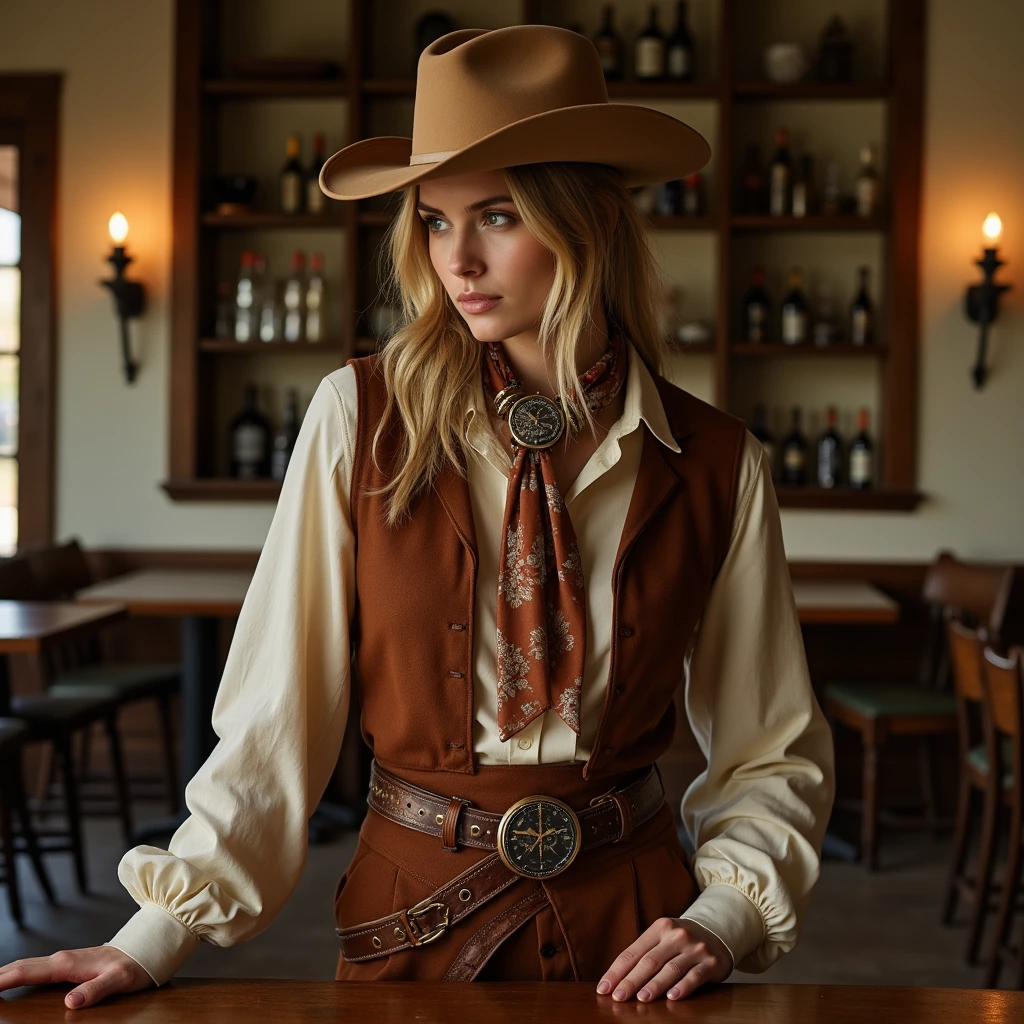
From gamblers to cowgirls in structured jackets, split riding skirts, and layered neckwear, these outfit combinations are shaped by place, climate, and a visual sense of narrative. It’s a thematic exploration into elegance and utility — remixed through the lens of design.
Step back in time to the rugged elegance of the American frontier with these creativly inspired recreations of late 19th-century gambler and saloon patron attire. Inspired by the historic Faro card game photo, we’ve curated four distinct outfits that capture the essence of Western frontier fashion, with practical utility and gentlemanly flair.
Each outfit has been assembled with modern pieces that take cues from the period to creatively reinterpret the frontier aesthetic. Whether you’re planning a themed event, putting together a historical costume, or simply appreciate the timeless appeal of desert Southwestern wear, these carefully selected ensembles create western frontier style.
Outfit 1 – The Gambler in Stripes
This outfit is inspired by the look of the gambler seated in the left foreground of the historic photo. With his distinctive striped shirt and practical rugged appearance, this character embodies the working professional gambler of the frontier era—a man who makes his living at the card table and maintains a rugged, utilitarian appearance. Here’s the desert Southwest frontier gambler outfit, with a dash of creative reinterpretation:
Detail: Roll up your sleeves slightly to show you’re ready for a serious game of cards.
Accessorize Wisely: Add a simple pocket watch or a leather cord necklace for subtle period authenticity.
Footwear: Complete the look with distressed leather boots in a medium to dark brown shade.
Color Coordination: The rust and cream striped shirt pairs perfectly with the dark espresso vest, creating a rich, earthy palette typical of frontier attire.
Outfit 2 – The Elder Gambler
This distinguished ensemble is inspired by the look of the older gentleman seated second from the left in the historic photo. With his formal vest, watch chain, and high-crowned hat, he represents the old-timer with classic Western formality—a man who has seen the frontier evolve and maintains a more traditional, dignified appearance.
Vest Placement: Wear the vest fully buttoned except for the bottom button—a timeless gentleman’s rule.
Watch Chain Display: Loop the watch chain across the vest with the pocket watch tucked into the small pocket.
Hat Positioning: Wear the high-crowned hat straight and level for a dignified appearance.
Outfit 3 – The Saloon Patron
This casual ensemble is inspired by the outfit of the man seated in the center of the historic photo. With his chambray work shirt and relaxed posture, he represents the everyday desert Southwest frontier man who might join a game at the Saloon after a day’s work—comfortable, practical, and unpretentious in his approach to both cards and attire.
Shirt Styling: Leave the top button undone and tuck the shirt in loosely for that relaxed, end-of-workday look.
Hat Wear: Position the hat slightly tilted back for a casual, approachable appearance.
Footwear: Pair with worn work boots that show signs of use for authenticity.
🎲 Outfit 4 – The Dealer
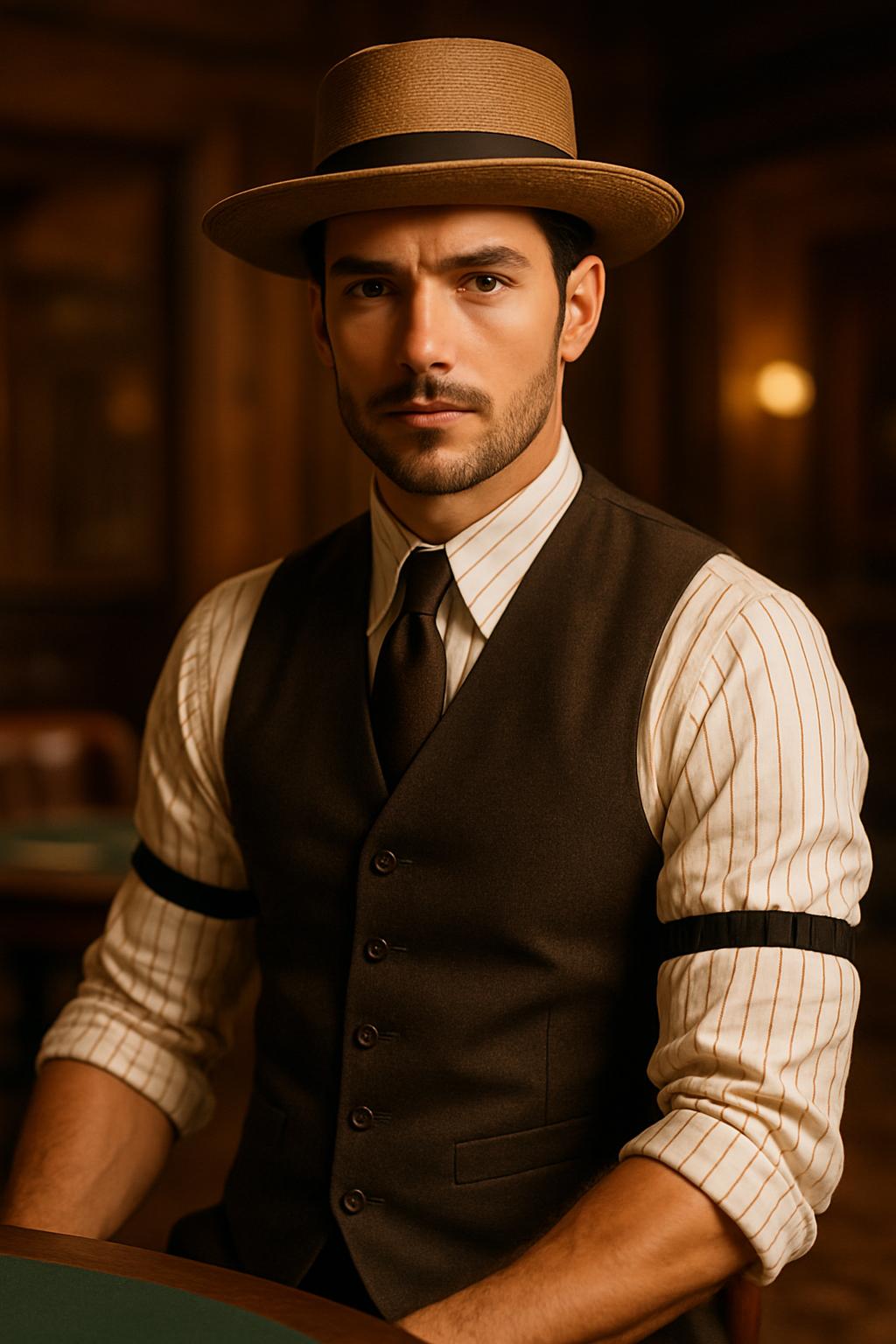
This refined outfit is inspired by the look of the man on the right side of the historic photo. With his pinstriped shirt and distinctive arm garters, he embodies the professional Faro dealer—slightly more refined than the players, with practical elements that facilitate his role managing the game.
Arm Garters: Place the sleeve garters mid-bicep to keep shirt sleeves at the perfect length for dealing cards.
Shirt Presentation: Keep the shirt crisp and fully buttoned with a straight collar for a professional appearance.
Hat Position: Wear the flat-brimmed hat level and straight to convey authority.
Historical Context: The Faro Card Game
Faro was the most popular gambling game in frontier America throughout the 19th century, surpassing poker in many saloons and gambling halls. The game featured a dealer (or “banker”) who would play against multiple players simultaneously. With relatively simple rules and favorable odds compared to other games of chance, Faro attracted players from all walks of frontier life.
The distinctive layout seen in the historic photograph—with the dealing box, betting board, and arrangement of players around the table—was typical of Faro games throughout the American West. The varied attire of the participants reflects the social diversity of frontier gambling establishments, where working men, professional gamblers, and town gentlemen might all gather around the same table.
By wearing these frontier gambler inspired outfits, you’re connecting with a fascinating chapter of desert Southwest history—a time when Faro and later Poker games brought together all these characters of the Western frontier.
All product links are affiliate links. We earn a commission on qualifying purchases.
This post contains affiliate links. This means that if you click on a link and make a purchase, I may earn a small commission at no extra cost to you. This commission helps me keep this blog running and allows me to spend time finding more great stuff for both of us, including new ways to shop and make finding what you want easier! Thank you for your support!
Some styles are more than trends — they’re rooted in place, shaped by history, and carried forward with reverence through the details.
This collection is a visual exploration of fashion inspired by the American Southwest and regions with strong heritage design. I reimagine what it means to dress with intention and utility across time and terrain — pulling from 1890s Tombstone, 1930s Arizona dude ranches, and countryside silhouettes influenced by classic British equestrian wear.
Each outfit tells a layered story. The looks echo Wild West saloons, cowboy and cowgirl style, ranch life, saddlery, and sun-soaked desert resorts — all shaped by utility, elegance, and climate-conscious design. It’s also in the small distinctions: scarves vs. bandanas, neckline shapes, the tilt of a hat, boot silhouettes — subtle details that say so much.
🧵 Threads of Time and Place
Tombstone Saloon 1890s gamblers and frontier tailoring — bold hats, long coats, and dramatic flair.
This project is part of an ongoing exploration of regional style — especially the Desert Southwest — brought to life through careful research, visual design, and AI tools. It’s about honoring real places, real history, and the visual language that shapes them.
📋 Explore More
🗂️ This is just one part of a broader visual archive — spanning blog posts, lookbooks, product collections, and short-form videos across platforms.
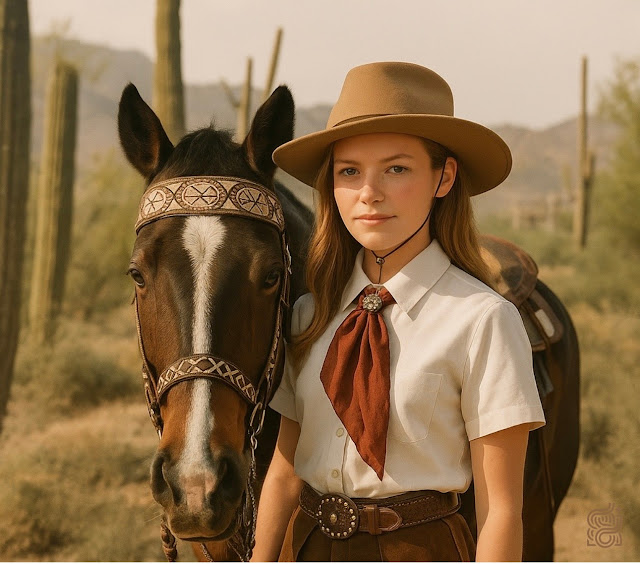
Image: A modern reinterpretation of the wool felt gambler hat traditionally worn in winter, a concho-style scarf slide, short-sleeved button-down shirt, and classic western belt buckle. A modern reinterpretation inspired by archival photographs.
Thinking about local clothing for the desert, I was inspired by historic photos of the uniforms worn by the ladies at the Hacienda del Sol Ranch School in the 1930s. I was curious to know what they wore in the summer heat in the desert and winter cold here. Digging in, I got some really interesting context to the times they were living in, and it gave me a greater appreciation for the ladies in the scene, and the details behind what they wore.
Image: 1930s. Students at the Hacienda del Sol ranch school in Tucson, Arizona. Scanned image from the text book “The Arizona Story” (2008) by the Arizona Historical Society, ISBN :1423625951, page 263. Originally created in the 1930s, scanned in 2015. The Old Pueblo, CC BY-SA 4.0, via Wikimedia Commons
The Dude Ranch Era
The 1930s marked the peak popularity of dude ranches, driven significantly by Hollywood’s romanticized western films, many of which were produced around Tucson. This era profoundly influenced women’s fashion, introducing iconic pieces like the first Lady Levi’s jeans in 1934 and the pearl-snap Western shirts popularized by Rockmount by 1940.
The cowboy spirit remains deeply embedded in Tucson’s culture, uniquely celebrated annually with a dedicated rodeo school holiday. Iconic dude ranches (also called guest ranches) like Tanque Verde Ranch and Hacienda del Sol maintain this vibrant legacy today.
Fashion as Freedom
In the 1930s “American society was still not fully comfortable with the idea of women wearing pants. Bifurcated garments seemed so unladylike.” Yet these very garments allowed women newfound physical freedom and self-expression. (Melissa Leventon, Riveted)
Adrienne Rose Bitar further describes:
“Vacationing was a secure laboratory—especially for women. When they looked in the mirror, they didn’t see their old self from Connecticut or Rhode Island. They saw a cowgirl from the movies. Denim afforded many women the ability to move more freely—to rethink their position in American society.” (PBS American Experience )
These practical clothes didn’t just facilitate movement—they transformed identities. Jeans offered young women of the era a form of freedom they maybe hadn’t had before.(PBS American Experience )
1930s Ranch School Uniform
The uniforms combined equestrian practicality with finishing-school refinement:
Shirts: Short-sleeved, button-down utility shirts with neatly rolled cuffs.
Trousers: High-rise, wide-legged trousers cropped just above the boots.
Accessories: Bandanas cinched with concho slides, sturdy leather belts.
Image: Classic mid-calf western boots styled here with high-waisted cavalry twill trousers and a short-sleeved camp shirt, these mid-calf black cowboy boots have a modest 1.25″ stacked heel, round toe, and subtle Western stitching—true to 1930s riding style. A modern reinterpretation inspired by archival photographs.
Boot Styles of the Era
Boots were important, each style suited to different activities:
Lace-Up Riding Boots: Tall, ankle-supportive boots ideal for riding.
Paddock Boots: Shorter boots suitable for fieldwork and casual riding.
Western Cowboy Boots: Mid-calf boots with modest heels and subtle embroidery.
Image: A modern reinterpretation inspired by archival photographs. An 1930s era equestrian lace-up riding boot style.
Image: A modern reinterpretation inspired by archival photographs. An 1930s era equestrian paddock boot style.
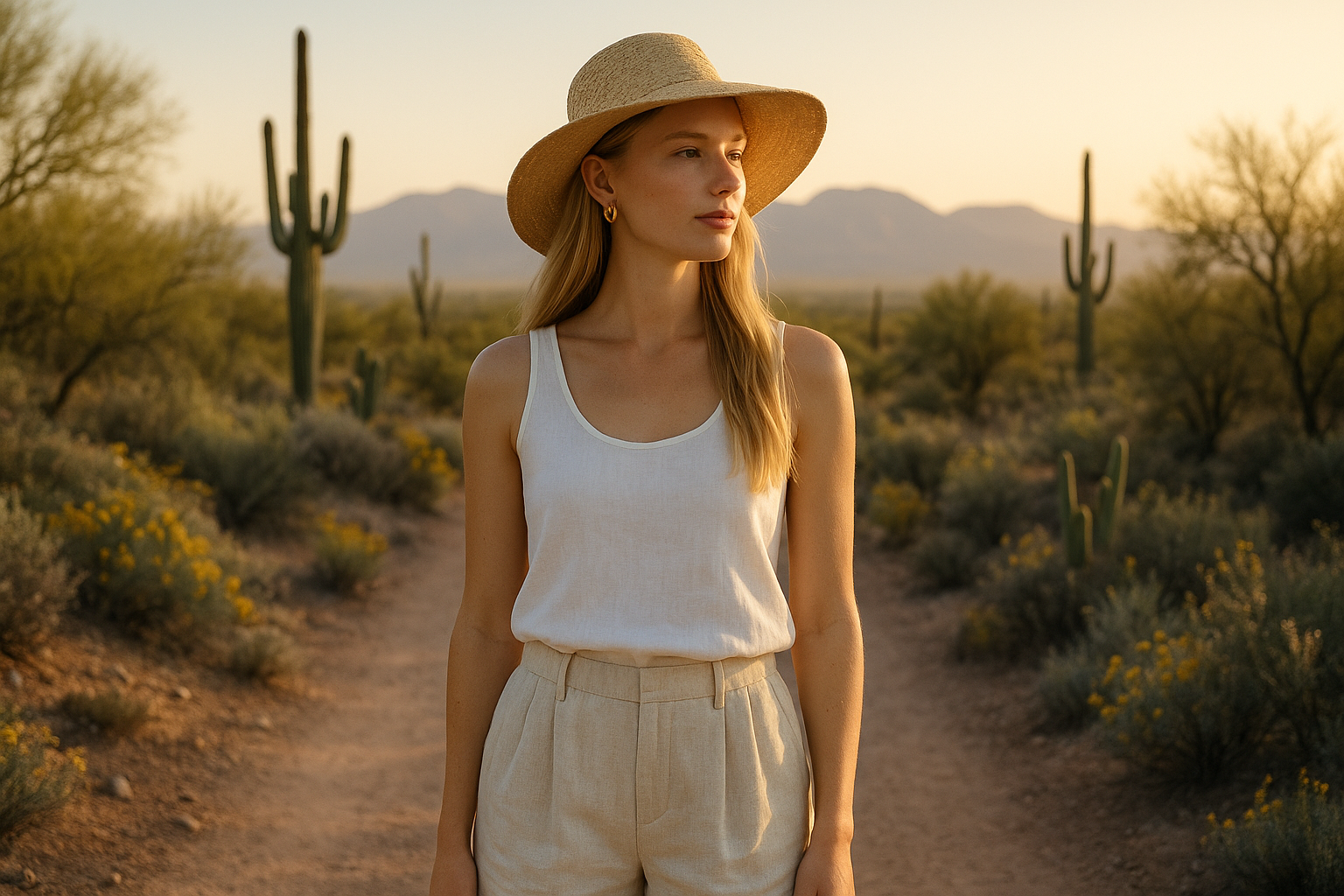
Image: A modern reinterpretation of the 1930s era gambler straw hat worn in summer, bandana, utility button-down shirt with short sleeves, trousers (pre-denim, so before 1933), basic belt buckle, and mid-calf cowboy boots with subtle embroidery and a low stacked heel, approximately 1.25 inches.
Mood boards & Style Studies
To visualize these garments more authentically, I created detailed mood boards exploring all kinds of inspiring details like:
Embroidered boots, suede and leather textures, detailed stitching.
Structured utility shirts, warm-toned wool gambler hats, bandanas and scarves.
The leather accessories, metal conchos, and soft cotton fabrics.
Image: A mood board and study of vintage silhouettes and modern details they inspire—from equestrian saddles to beadwork to suede boots inspired by the 1930s girls’ ranch school in Arizona.
Image: A mood board of details. Denim jeans vs the pre-denim riding styles such as split riding skirts, high-waist jodhpers riding trousers. Equestrian layers such as batwing chaps, apron chaps, riding gloves, cowgirl riding boots, equestrian lace up riding boots, and totally new modern looks reinterpreting the materials and silhouettes. Warm tones and textured fabrics, detailing of Western girls’ ranch wear from the 1930s.
Image: A mood board of details. The styles of the past—some nostalgic, some timeless—and reinterpretations styled for now: wide-brimmed hats, utilitarian shirting, and structured pants grounded in equestrian heritage.
Each mood board was a personal visual study to connect the past to present. For me, the studies highlight the enduring utility and appeal of the desert Southwest, and western ranch wear.
Modern Interpretations
Based on studying the details, I’ve been able to pick a few things that are similar – to be able to recreate the style, reinvent it, honor it, or just bring it forward in time and appreciate it.
Here’s a few modern interpretations inspired by the original 1930s desert Southwest ranch school attire:
Image: Inspired by the 1930s ranch school, this look reimagines a Hacienda del Sol Ranch School for girls uniform: straw gambler hat, rolled-sleeve button-down utility shirt, high-rise trousers, leather belt, and a bandana scarf cinched with a concho slide—blending Southwestern equestrian utility with finishing school polish.
Image: This look reimagines a Hacienda del Sol Ranch School uniform: straw Stetson cowboy style hat, button-down utility shirt, high-rise wide-leg trousers, leather belt, and a rust bandana scarf cinched with a concho slide, and lace up riding boots—blending Southwestern equestrian utility with finishing school polish.
Every element of the uniforms was purposeful, and practical — from the hats to the boots.
More to Discover
There’s a lot more history and details to discover. I’ll explore more in future posts.
This post includes affiliate links. All opinions are my own. Visuals created using AI and non-AI tools, guided for historical accuracy. Styling, research, and curation by me, exploring the history and visual details of the era.
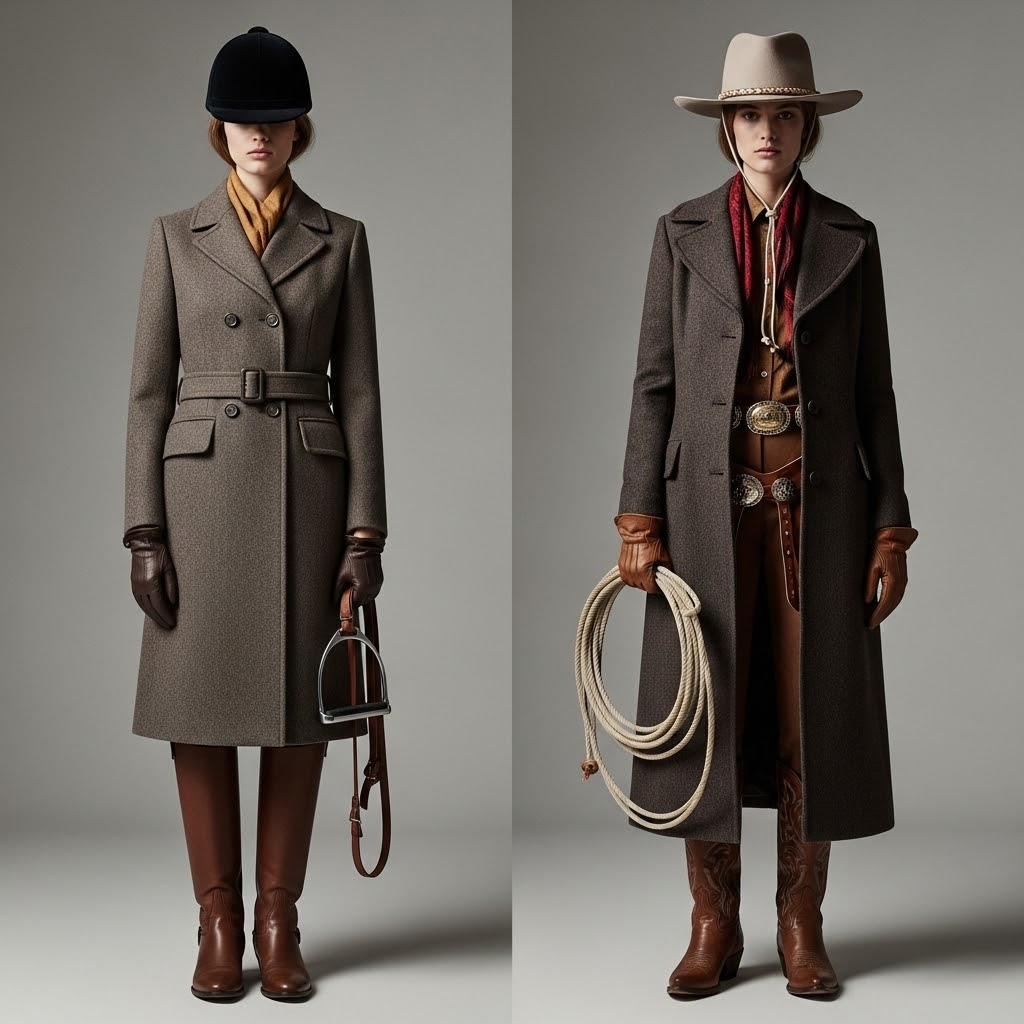
Images: A side by side style comparison. A study of details.
On the left, the woman is wearing an English equestrian-inspired look with a structured wool coat, velvet riding cap, leather gloves, and tall riding boots.
On the right, the look is blended with a Southwestern cowboy-inspired look featuring a similar brown wool double breasted coat, felt cowboy hat with chin cord, black cowboy boots with embroidery, concho belt, and gloves — a blend of tradition, texture, and frontier identity.
This visual comparison explores two heritage-driven styles — one shaped by the misty countryside of England, the other by the dry expanse of the American Southwest. Both looks are rooted in equestrian traditions, tailored layering, and garments built for movement and climate. Yet each speaks a different visual language.
The English equestrian look leans refined and understated: clean lines, structured wool, and polished leather. It’s rooted in formality, tradition, and precision — a style shaped by temperate climates, hunting culture, and riding clubs. Every detail is deliberate: the velvet helmet, the jodhpur boots, the reins coiled just so.
By contrast, the Southwestern cowboy-inspired look draws from ruggedness and myth: dusty brown tones, a wide-brimmed hat, concho details, and clothing made for heat, dust, and long days outdoors. It’s cinematic and regional — shaped by ranch life, early Hollywood cowboy mythos, and desert utility.
The nuanced details between these two outfits demonstrate how similar foundations — equestrian gear, tailored coats, gloves, and boots — can split into entirely different visual vocabularies, depending on geography and history. One is brisk and clipped. The other, wind-worn and expansive.
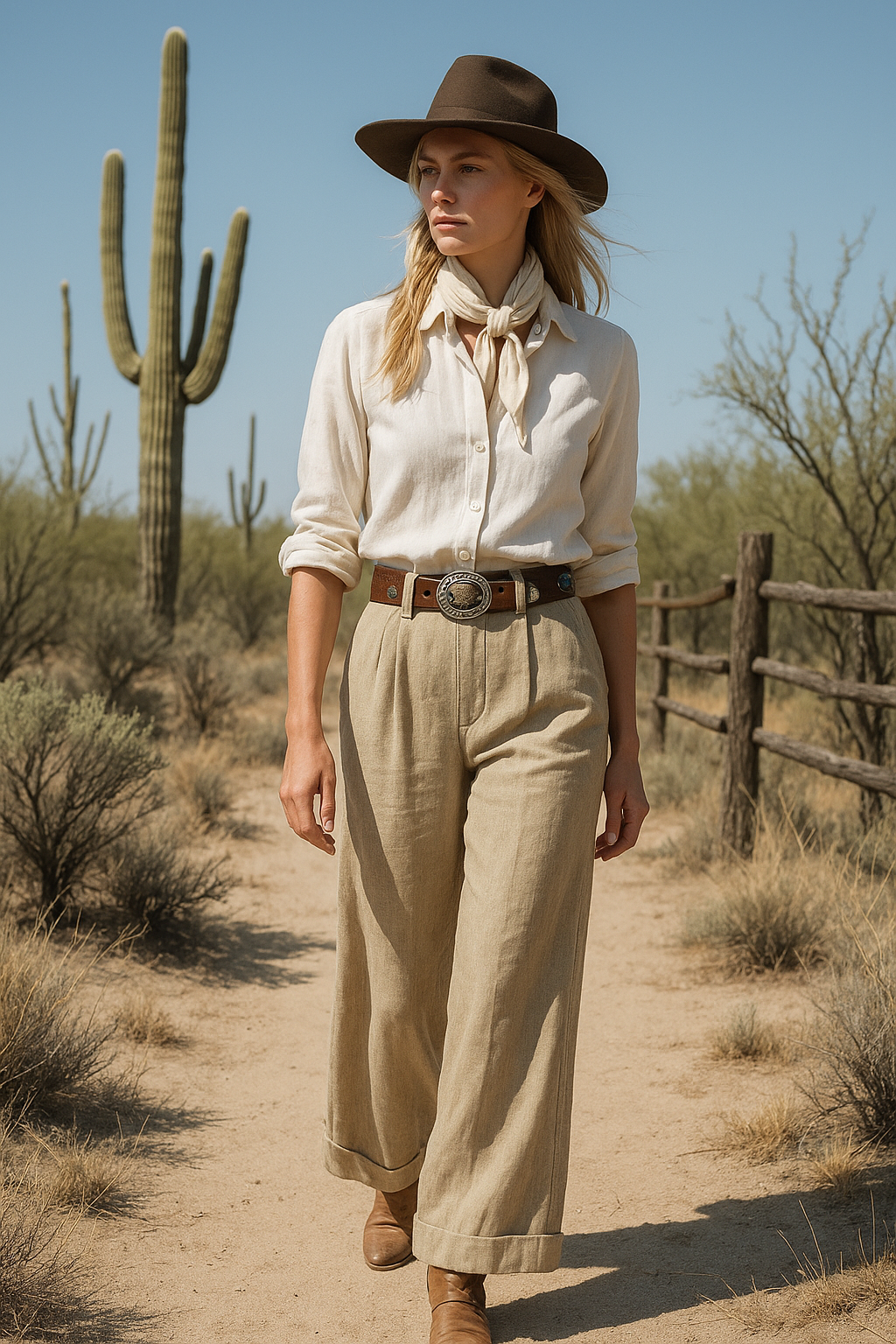
Step into the style of the Southwest with this desert Southwestern-inspired ensemble.
Brown Wide-Brim Fedora
A chocolate brown, soft-structured wool felt fedora with a tall crown and subtle faux-suede trim. This hat is unisex, offers UPF 50+ sun protection, and is designed for a comfortable, slightly oversized fit.
This project is part of an ongoing exploration of desert Southwest regional style brought to life through historical research and visual design and continually evovling AI image techniques. It’s about honoring real places, real history, and the visual language that shapes them.
📋 Explore More
This is just one part of a broader visual archive — spanning blog posts, lookbooks, product collections, and short-form videos across platforms.