This site contains Amazon and ShopMy affiliate links, which means I may receive a commission, at no extra cost to you, if you make a purchase through a link.
The soul of a true Napa estate lies in its stonework. Taking cues from historic 100-year-old winery ruins, the aesthetic favors locally sourced stone with rough, hand-built textures.
The Palette: Move away from stark whites toward “Cloud Dancer” (a warm, sun-washed white) and “Universal Khaki.”
The Floor: Replace dated tiles with warm, character-grade white oak or honed limestone that feels cool underfoot but warm to the eye.
The Textural Layering
In 2026, we are seeing a shift toward “Comfort-Forward” interiors. It’s about how a room feels when you walk in—what designers call the “Good Shower” effect.
Woven Elements: Think oversized jute rugs, linen drapery, and tactile bouclé seating that invites you to linger.
Organic Accents: Incorporate layered textures and artisan ceramic vessels that reflect the clay and soil of the vineyards.
The Metal Edge: Use oil-rubbed bronze or weathered steel for hardware and window frames to provide a sharp, modern contrast to the soft masonry.
Steel-Framed Windows: Massive glass portals frame the vineyard rows like living art.
Scent and Sight: Use native plantings like sage, rosemary, and lavender just outside the doors to ensure the breeze carries the scent of the valley into the living space.
Calm, light-filled interiors shaped by natural materials and quiet luxury.
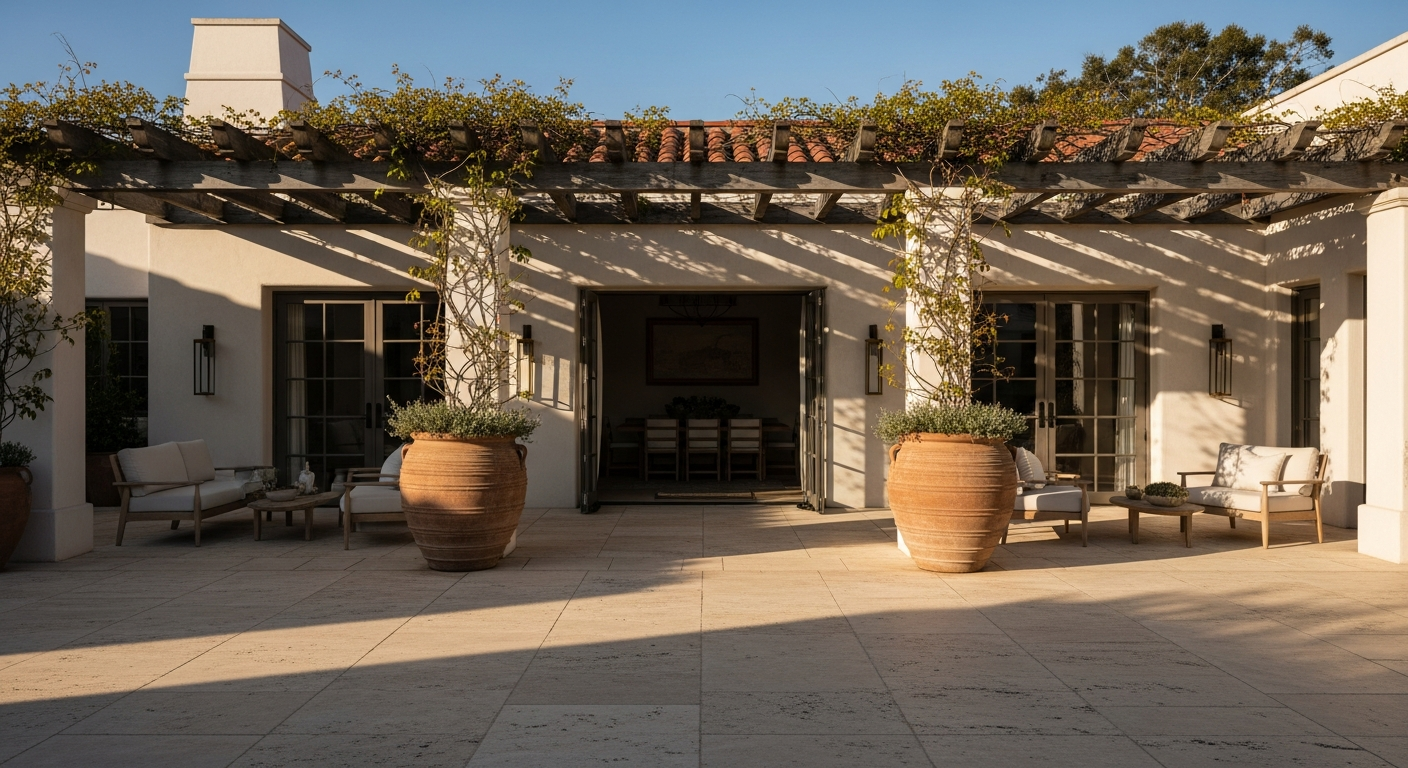
This California Casual interior edit focuses on calm, enduring spaces shaped by light, texture, and natural materials. Warm white plaster walls, light oak woods, Belgian linen textiles, and an easy indoor–outdoor flow define the look.
This style favors timeless materials like unpolished brass, tumbled limestone, and woven seagrass. The result is relaxed, bright, and effortless.
Over time, I’ve come to realize that what I instinctively practice isn’t just basic interior decorating, digital design, or fashion design—it’s something deeper, known as “genius loci”: the Latin term for the spirit of place. When I move somewhere new, I’m drawn to its unique history and aesthetics—whether delving into Old Town Alexandria’s colonial fruit garlands or admiring the southwestern adobes adorned with luminarias. I’m always seeking what makes each location beautiful, warm, and authentically human.
This approach means uncovering the story behind every visual element. It’s about understanding the scaffolding beneath the details—the architectural vernacular and organic building traditions shaped from local materials, climate, and culture across generations. For example, the fruit garlands on Alexandria’s Christmas doors aren’t just decoration; they represent centuries of hospitality and adaptation, merging European customs with American resources and the Mid-Atlantic climate.
Understanding Place-Based Design Through History
Place-based design means listening to a location first—observing how light falls, why certain materials have always been favored, and how cultural memory is coded into architecture. By digging into the “why” behind each choice, you discover the original intentions that made a place compelling, helping you visualize what feels authentic and enduring.
It isn’t about imposing a style; it’s about discovering the warmth of a place’s story and continuing it through curated choices. Some of the most beautiful spaces flow with their environment rather than fighting against it.
AI as a Tool for Visualization
AI is changing how I explore and visualize these place-based design concepts. With AI tools, I can upload photos of weathered bricks or regional motifs and generate multiple interpretations for contemporary interiors, clothing, and beyond.
The quality of AI output has grown rapidly, especially in recent months. For fashion, these tools let me input motifs and regional palettes to visualize designs that reflect a location’s aesthetics in ever greater nuanced detail.
The Creative Process with AI
AI visualization tools are powerful collaborators for exploring place-based design. I can input prompts describing specific regional styles and generate variations that honor original aesthetics while offering fresh takes. AI doesn’t replace the need for understanding; it provides a wealth of visuals that I research, verify, curate, and finetune, guiding the output toward greater authenticity. My research uncovers historical choices—often resulting in a visual dataset or tuned style—which AI helps me reinterpret for everything from interiors to fashion.
Bridging Tradition and Innovation
AI uniquely enables place-based fashion and design—creating pieces that reflect authentic, location-specific aesthetic details. By analyzing color palettes from landscapes, patterns from textiles, or architectural elements, I can use AI to generate concepts that carry those details forward and use them in new ways.
For me, the process isn’t about superficial reproduction but about translating the spirit of a place through modern technology. AI becomes a tool I can tune, to visualize how the genius loci can be embodied in new work. With careful tuning and curation, I can use it to move closer to getting more detailed authenticity in a wider range of visual output, and broaden my creative goals.
My YouTube Channel
My channel is inspired by the genius loci—the authentic spirit—behind fashion, interiors, and architecture, brought to life through AI visualization and research.
I combine research and AI tools (plus plenty of non-AI methods) to visualize historic and modern living spaces and fashion.
It’s about discovering a place’s vernacular and using AI to interpret its beauty for contemporary design-whether I’m generating textile embroidery inspired by regional motifs or visualizing historical elements for modern interiors.
Adobe compound entrance with traditional Sonoran Desert territorial architecture
The weathered adobe entrance showcases authentic pre-railroad Tucson territorial architecture with hand-carved wooden doors and traditional vigas extending from thick earthen walls.
Central Courtyard
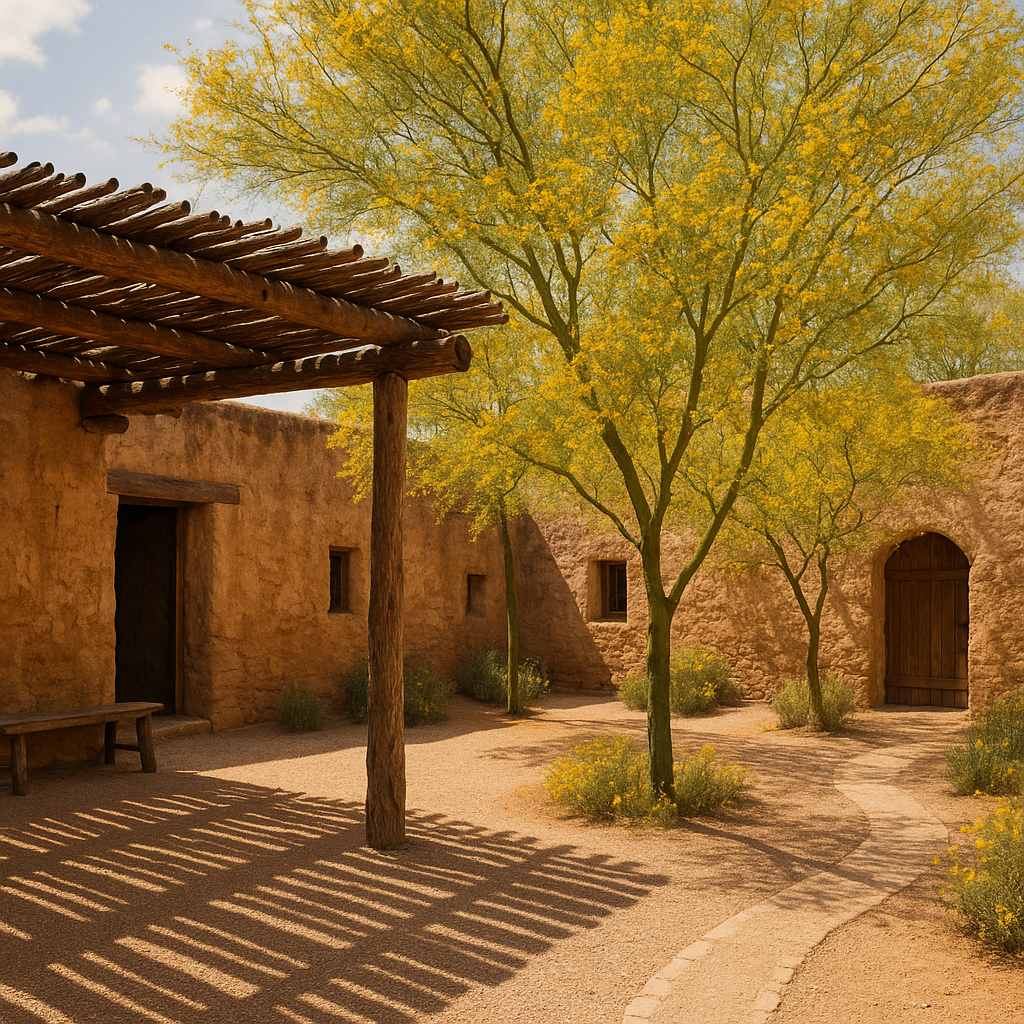
Traditional central courtyard of Sonoran Desert adobe family compound
The heart of the compound features a traditional ramada providing shade over the central gathering space, with native palo verde trees and gravel pathways connecting the various family dwellings.
Main Sala (Living Room)
Traditional sala interior with exposed vigas and thick adobe walls
The principal room displays classic Sonoran construction with massive exposed wooden ceiling beams (vigas) supported by thick adobe walls, furnished with period-appropriate simple wooden pieces.
Kitchen (Cocina)
Traditional adobe kitchen with corner fireplace and period furnishings
The working kitchen centers around a corner fireplace and horno (oven), with wooden shelving displaying clay pottery and utilitarian items essential to frontier family life.
Bedroom (Dormitorio)
Simple adobe bedroom with traditional Sonoran Desert territorial features
Private sleeping quarters maintain the compound’s authentic simplicity with exposed vigas, small windows for privacy and climate control, and minimal furnishings typical of the territorial period.
Compound Overview
Aerial view of historic Sonoran Desert adobe row house compound occupying full block
This historic adobe row house compound, visualized through AI and research, demonstrates how extended Sonoran Desert families created interconnected living spaces that occupied entire city blocks, providing both privacy and community within the harsh desert environment of early Tucson.
Modern Southwestern Interior & Outdoor Living Design
Step into a serene desert oasis where modern elegance meets timeless Southwestern charm. In this 1:21-minute tour, All the Things Style and Design Inspiration presents a collection of bright, sunlit interiors and inviting outdoor spaces, all set against the breathtaking backdrop of the American Southwest.
A Tour Through Warm Earth Tones and Natural Materials
Soft, earthy palettes—terracotta, sand, and adobe—paired with crisp whites and muted greens. These hues echo the surrounding desert landscape, creating a harmonious flow from indoors to outdoors. Natural materials abound:
Wooden beams and ceiling accents add rustic warmth
Stone fireplace and accent walls anchor living areas in authenticity
Textured plaster finishes on walls evoke classic adobe construction
Bright, Sun-Filled Bedrooms
Each bedroom bathes in natural light, thanks to expansive windows that frame distant saguaro cacti and red-rock vistas. Cozy layers of linens, kilim rugs, and woven throws introduce subtle pattern work, while minimalist furniture keeps the focus on the view.
Cozy Living Areas with a Modern Twist
The living room showcases clean-lined sofas upholstered in neutral fabrics, softened by plush southwestern-patterned pillows. A sleek, low-profile coffee table sits atop a handwoven rug, marrying contemporary design with traditional motifs. Decorative elements—hand-thrown pottery, desert floral arrangements, and sculptural wall art—add depth and personality.
Seamless Indoor–Outdoor Living
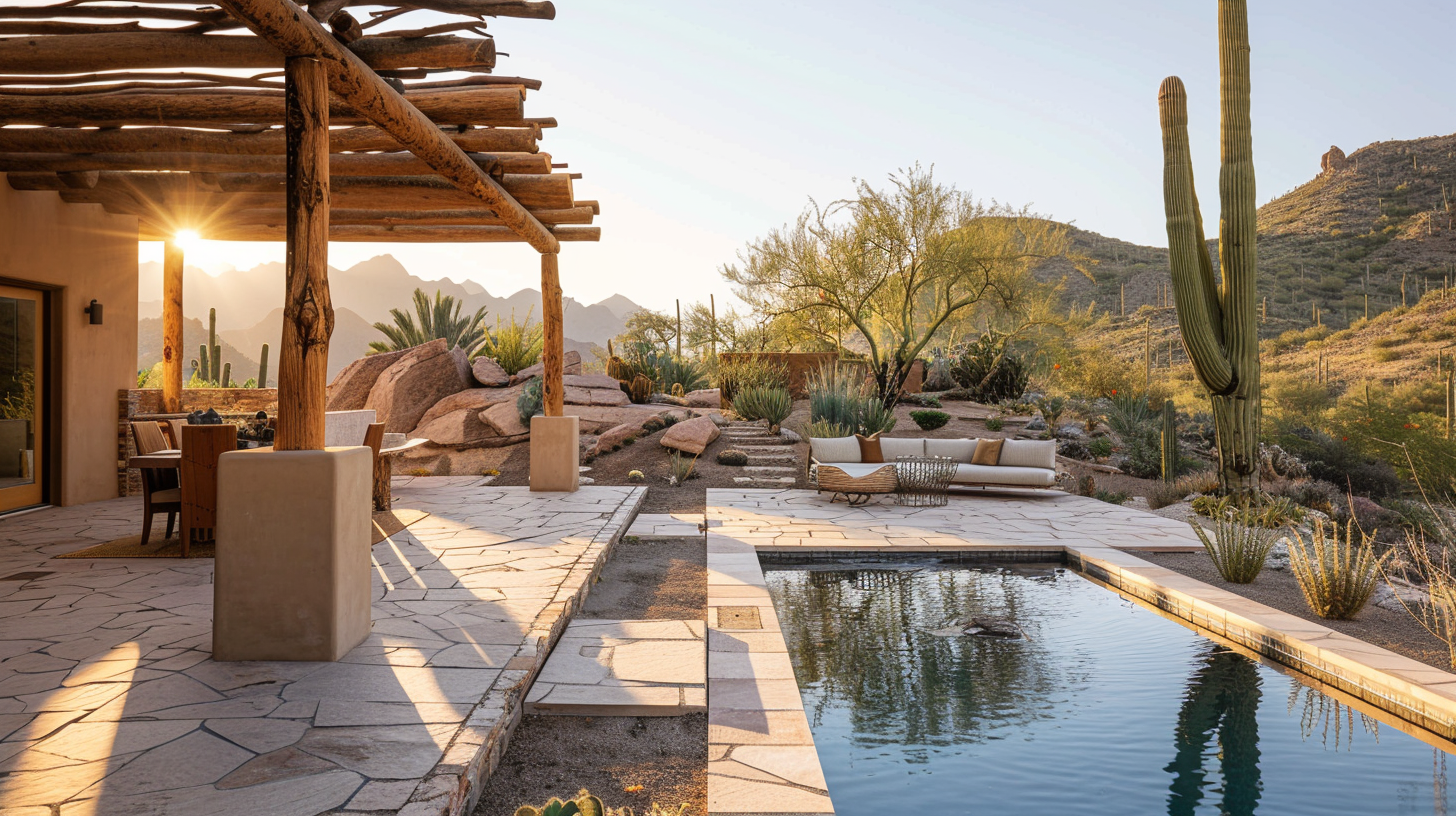
Step through large sliding glass doors onto a sprawling patio where indoor comforts extend into open-air living. Comfortable lounge seating, wrought-iron accents, and terracotta planters filled with succulents create an al fresco retreat. Overhead pergolas offer protection from the sun, while strategically placed fire pits ensure warmth for cool desert evenings.
Inspiring Decor Ideas for Your Desert Retreat
Embrace earth-tone décor: layer terracotta, beige, and rust for depth
Mix textural materials: pair smooth metals with rugged stone and wood
Incorporate Southwestern patterns: use textiles, rugs, and art to infuse heritage
Blend modern furnishings: let sleek silhouettes offset rustic backdrops
Highlight natural light: maximize windows and glass doors to connect with the landscape
Whether you’re dreaming of building your own desert sanctuary or simply seeking fresh Interior Design inspiration, this quick tour offers a wealth of ideas. From indoor comforts to outdoor serenity, the modern Southwestern aesthetic celebrates relaxed, stylish living in perfect harmony with nature.